
Episode:38Why platypuses are struggling in southeastern Australia
Guests:Josh Griffiths, Senior Technical Advisor at EnviroDNA
The platypus is one of Australia’s most iconic creatures, but these remarkable mammals are facing growing threats. In this episode, Josh Griffiths, Senior Technical Advisor at EnviroDNA, shares insights from 17 years of research into platypus populations. From the impacts of drought, habitat loss and climate change to the promise of environmental DNA for large-scale monitoring, Josh reveals both the challenges and opportunities for protecting these enigmatic animals. Tune in to learn how you can help safegu

Show Notes
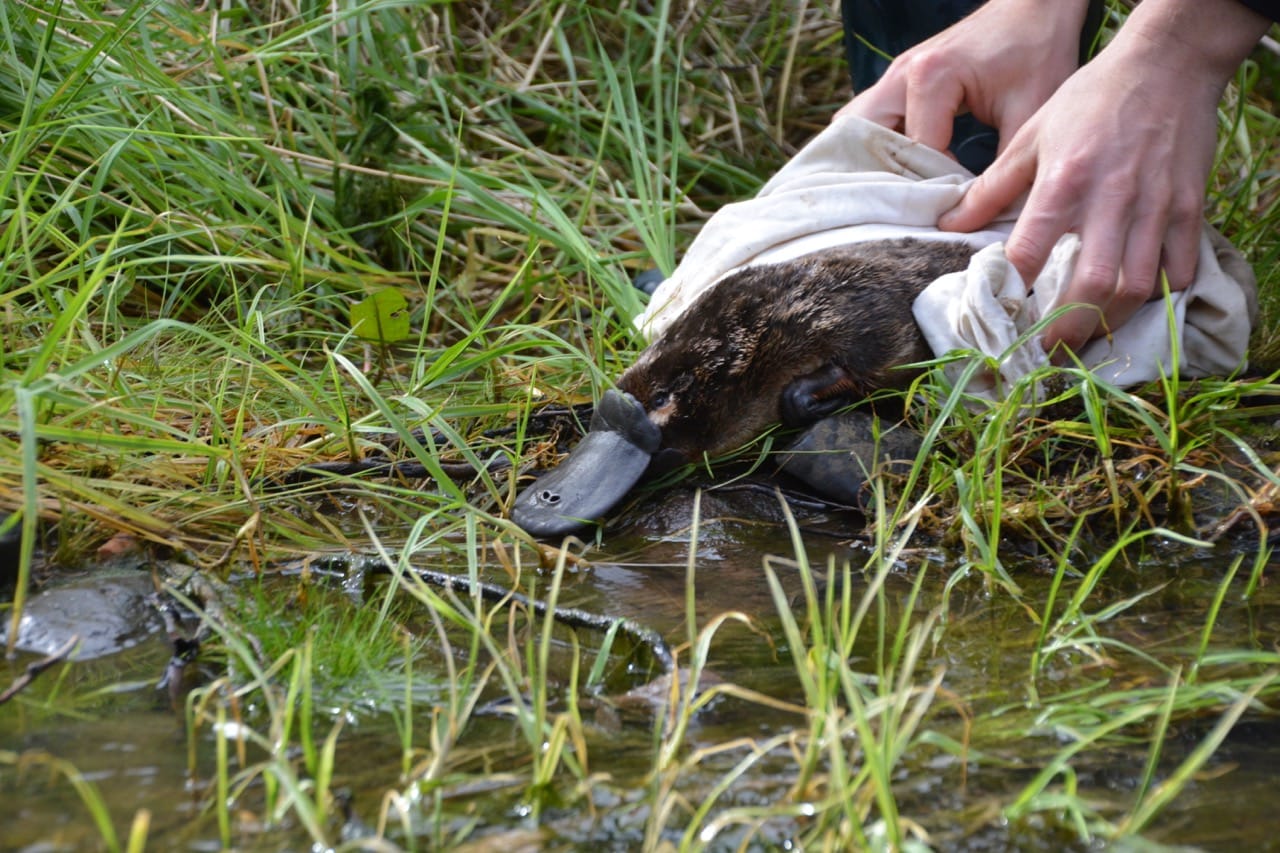
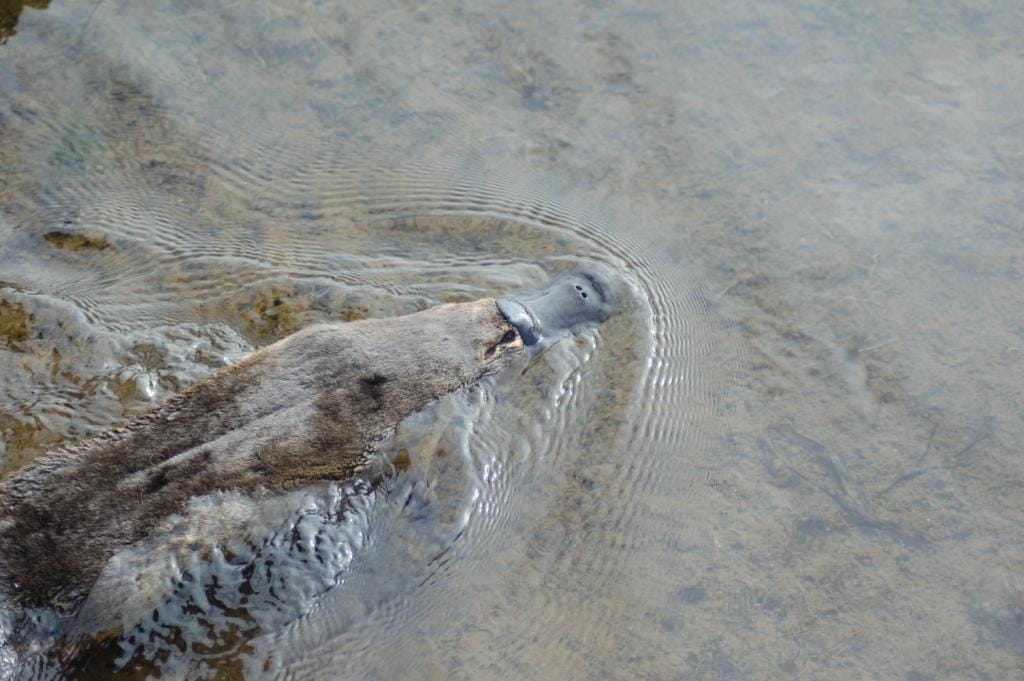
Did you know that a nursing platypus mother must eat up to her entire body weight in food every day to support her and her young? Or that male platypuses have venomous spurs near their back legs that can cause intense pain which is immune to conventional opioid painkillers? Or did you know that technically, based on the word’s greek etymology, the plural of platypus is in fact ‘platypodes’? These fascinating creatures are more than beloved icons and evolutionary marvels—they’re indicator species whose health reflects the condition of our waterways.
The mysterious platypus is one of Australia’s most beloved creatures, but these remarkable mammals face increasing threats. Josh Griffiths, Senior Technical Advisor at EnviroDNA and leading expert on platypuses, joins us to share his insights from 17 years studying these enigmatic mammals.
Josh reveals the concerning pattern threatening platypus populations across southeastern Australia. While showing remarkable adaptability to modified environments, platypuses face critical challenges from reduced water flows, habitat fragmentation, and climate change. The Millennium Drought triggered population crashes from which some areas have never recovered, creating a troubling pattern of localized extinctions and genetic isolation.
Siwan and Josh discuss environmental DNA, a tool that allows the precise detection of genetic material left behind by various species in the water. It’s non-invasive and allows for the monitoring of platypus populations on a much higher scale, while opening up opportunities for citizen science.
There are simple actions anyone can take to protect platypuses, like conserving water, cleaning hooks, lines and snags when fishing, and keeping your dog away from platypuses. Josh emphasizes that protecting platypuses isn’t just about saving a charismatic species; it’s about preserving the ecological systems that sustain all life, including our own.
Ready to become a platypus protector? Listen now to discover how you can help ensure the survival of our beloved platypodes (and their babies, called ‘puggles’!) and the rivers they call home.
"It's about lessening our impact... waste, pollution, land clearing... it's not just a cute fuzzy thing. We have to do it for our own survival."— Josh Griffiths, Senior Technical Advisor at EnviroDNA


Resources:
- Submit your platypus sightings to PlatypusSPOT to become a contributor to ongoing Platypus conservation and research.
- EnviroDNA Website
- EnviroDNA Case Study: Understanding impacts of Black Summer bushfire on platypuses
- EnviroDNA: The Great Australian Platypus Search
- Get involved: Upper Murrumbidgee Waterwatch (Not in the ACT? Visit Waterwatch Portal to find other Waterwatch groups.)
Photo credit (main photo of Josh): EnviroDNA
Stay connected to the rivers you love
Sign up to our monthly email newsletter and be the first to see inspiring stories, practical resources, and ways to make a real difference for our waterways and the native species that depend on them.
Be a part of our community 💚

The ARRC acknowledges the Country we live on
We acknowledge and respect Aboriginal and Torres Strait Islander Peoples as the Traditional and Continuing Custodians of Country. We respect and learn from Elders past, present and emerging, valuing their knowledge, insights, cultures and connections to the waterways we love and care for.
Our Reflect Reconciliation Action Plan promotes a reconciled Australia by supporting and empowering Aboriginal and Torres Strait Islander voices and experience in the work we do to restore and protect our waterways. We make every effort to involve First Nations collaboration and partnerships in all our on-ground projects.
Support our work
There are multiple ways to show your support for what we do.
Choose your own adventure.
Every donation makes an impact.
100% of proceeds go directly towards our work restoring rivers.
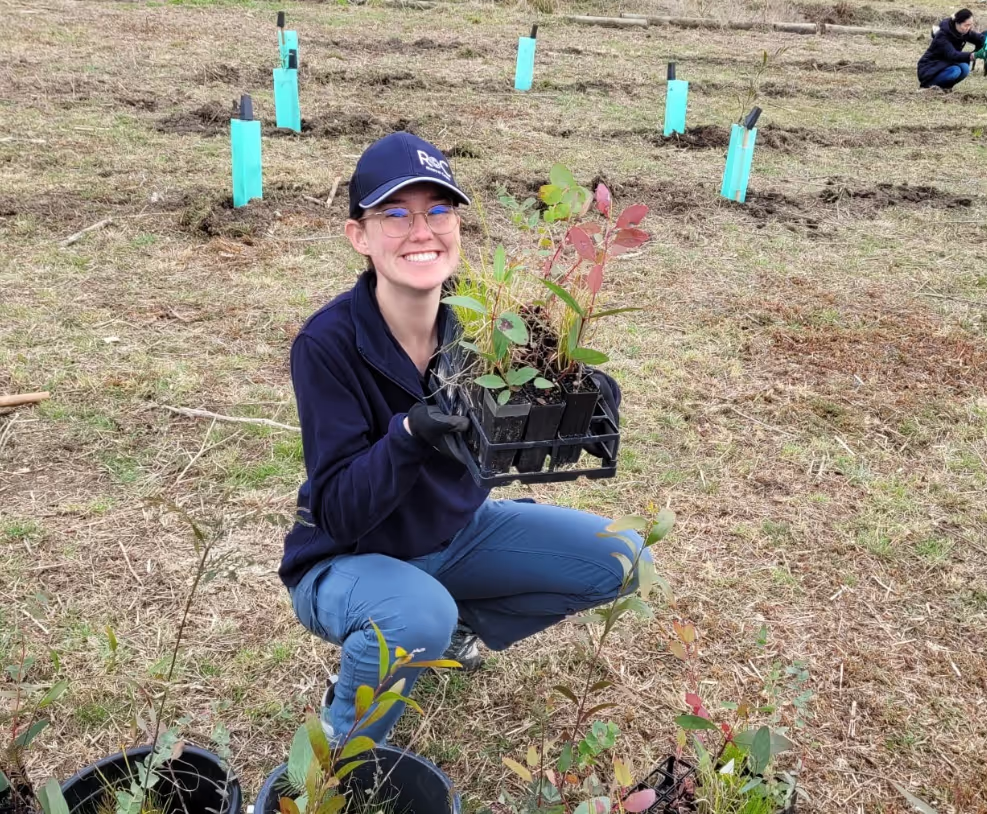
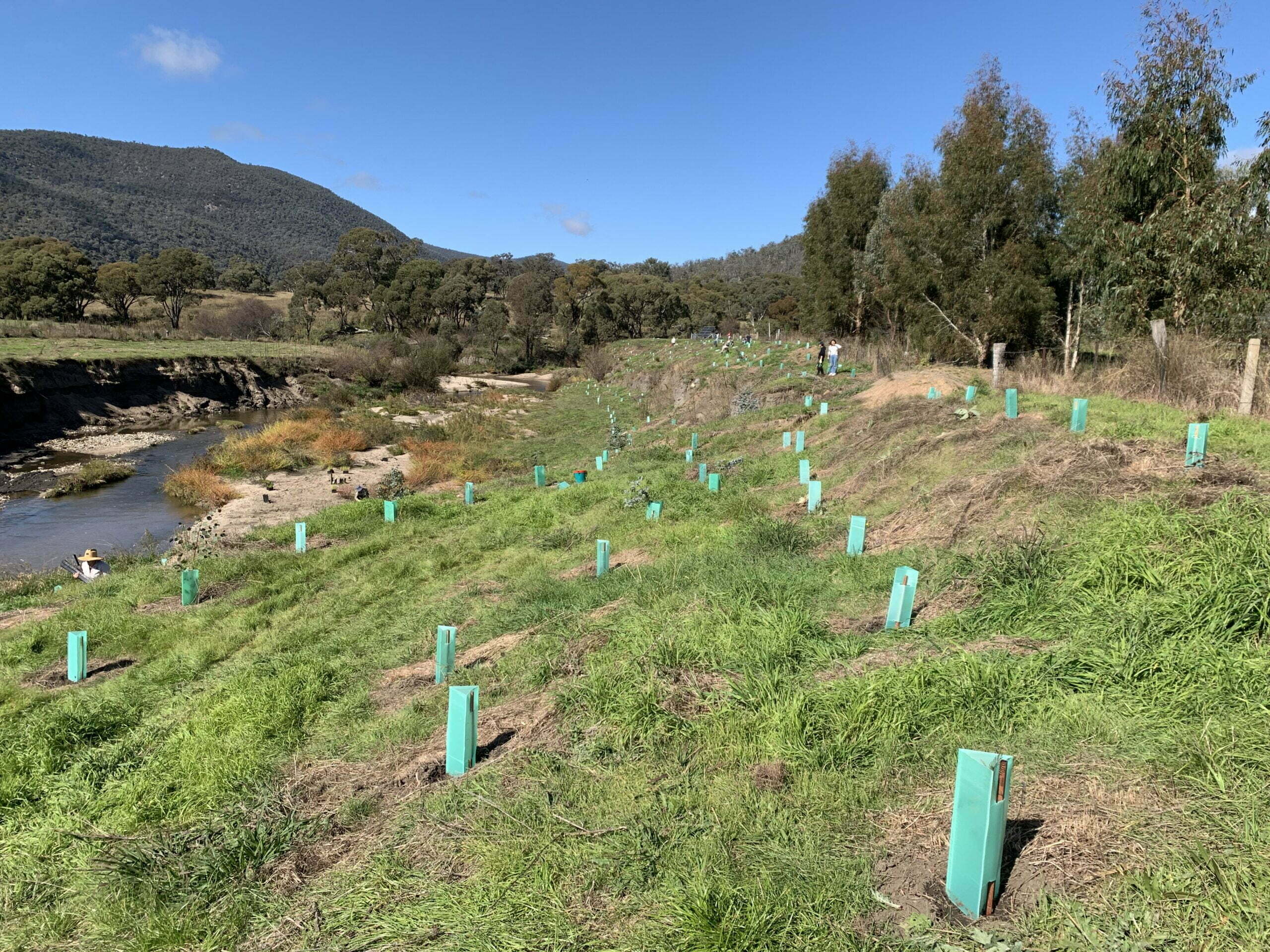
Join us at an upcoming planting day or community event.
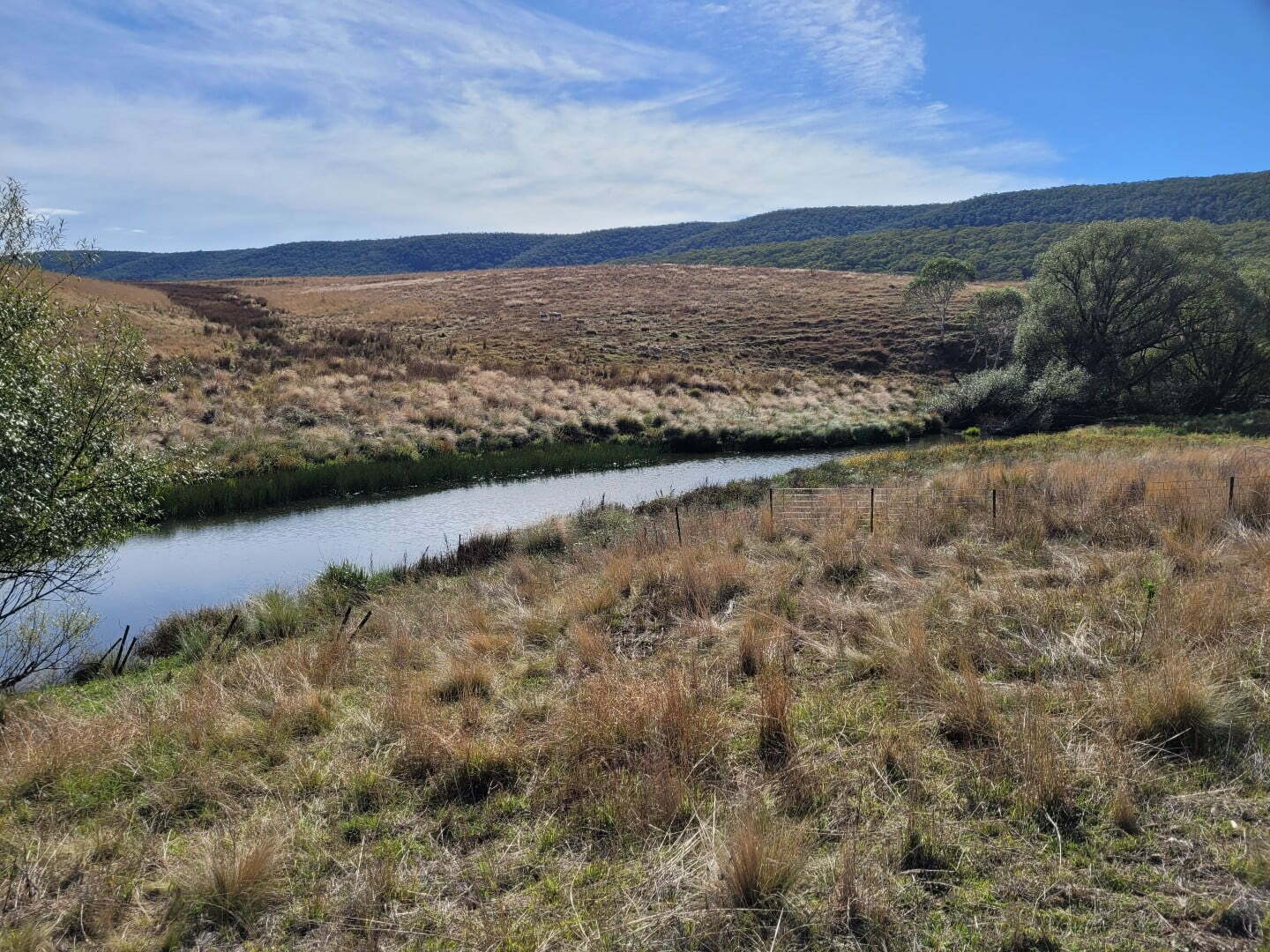
Collaborate with us on a range of projects, working to restore our rivers together.
Work with us to achieve sustainability goals and make a positive environmental impact.