
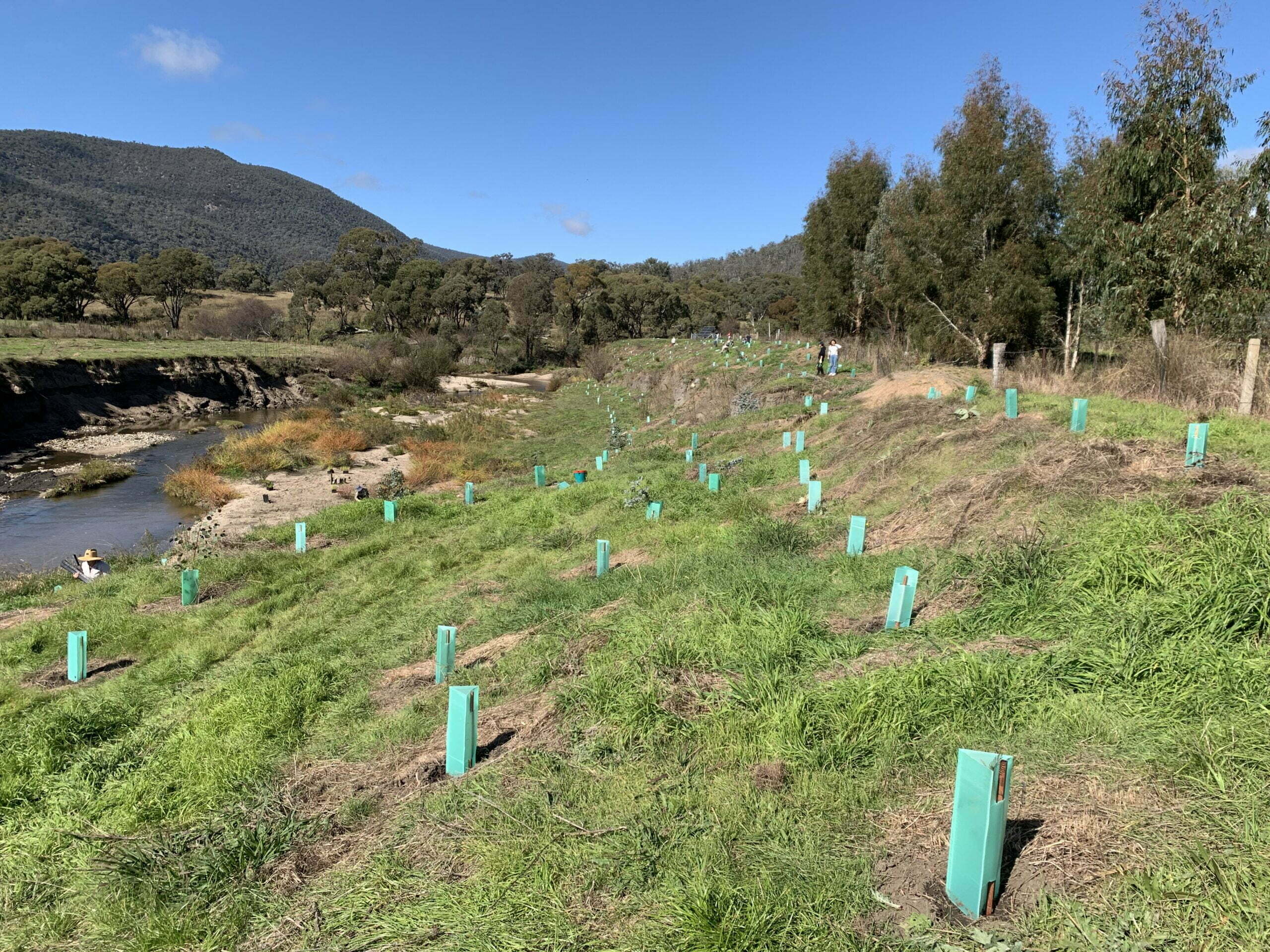
River Restoration
Hands-on restoration work that improves river health.
Through our flagship on-ground river restoration program – ‘Rivers of Carbon’ – we work directly with landholders to restore Australia’s wetlands and waterways. Our methods are grounded in science, practical experience, and local expertise, achieving tangible benefits for both the environment and on-farm productivity.
We are trusted by landholders, communities, and organisations to create ecologically resilient landscapes. The impacts of this work include clean and safe drinking water, habitat for native wildlife, agricultural sustainability, community wellbeing, carbon captured from the atmosphere, and resilience against droughts and floods.
The ARRC is currently seeking business partners to enable new river restoration projects across Australia. Contact us if you’re interested.
What the Rivers of Carbon Program offers?

On-ground river restoration projects
We work with landholders to develop on-ground projects that align with farm management goals. Our team identify critical restoration works and help to implement practical solutions, including erosion management to stabilise riverbanks, stock exclusion, invasive species control, revegetation, and riparian protection. We can also assist with financial incentives, project management, and ongoing support to restore river function and improve water quality.
See current projects
We are lucky to work with 300+ landholders across NSW and ACT, all of whom live around waterways and care deeply for them. Hear from Margie Fitzpatrick and Emma Lipscomb, who have been part of the Rivers of Carbon program for over 15 years, on what caring for our waterways means for them.
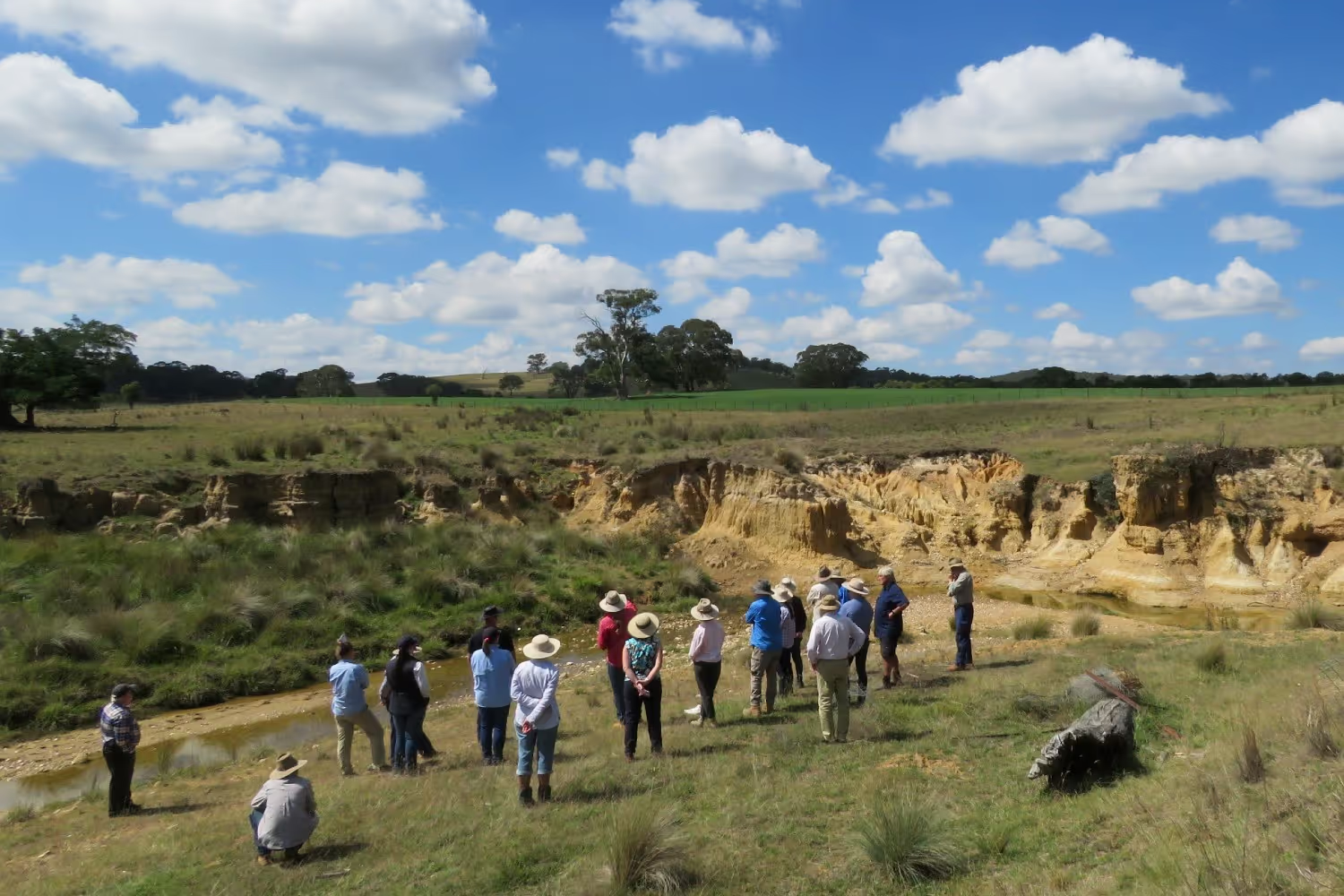
Erosion field day in Gunning

Land management workshops & field days
We run practical workshops and field days sharing best-practice information for landholders and communities on how to manage and restore their land. These events are designed to support people in making confident and informed decisions about managing their properties sustainably. Our areas of expertise include environmental and river restoration, biodiversity management, erosion control, sustainable farming, dam construction and maintenance, revegetation, plant and weed identification, and farm water management.
Explore our events & recaps

Information resources
We have developed practical guidelines and resources that support sustainable farm management, encouraging landowners to start their own river restoration journey.
View our resources library
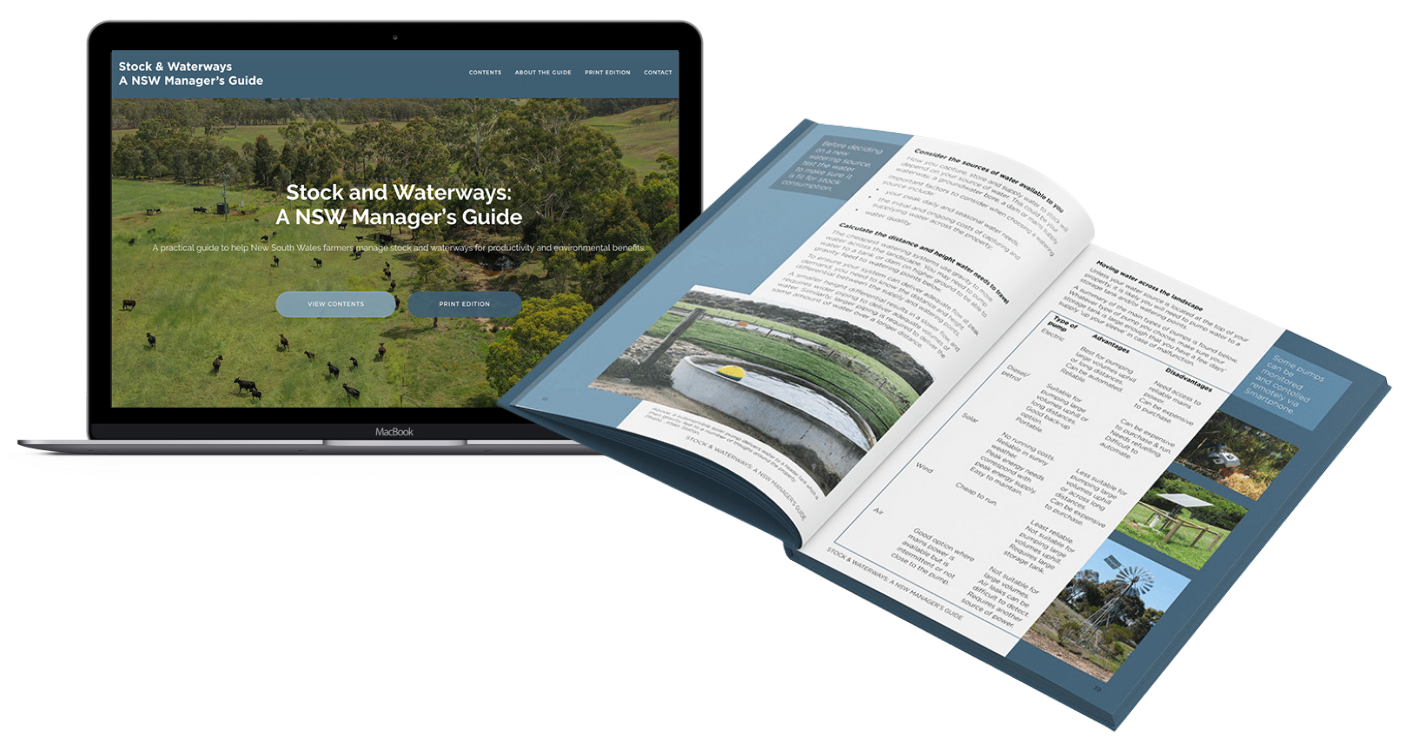
The Stock and Waterways guide was developed to help NSW landholders better manage their waterways for both agricultural and environmental benefits. By understanding how livestock impact riparian land and waterways, landholders can develop practical strategies and infrastructure to manage their farms productively, while protecting waterway health.
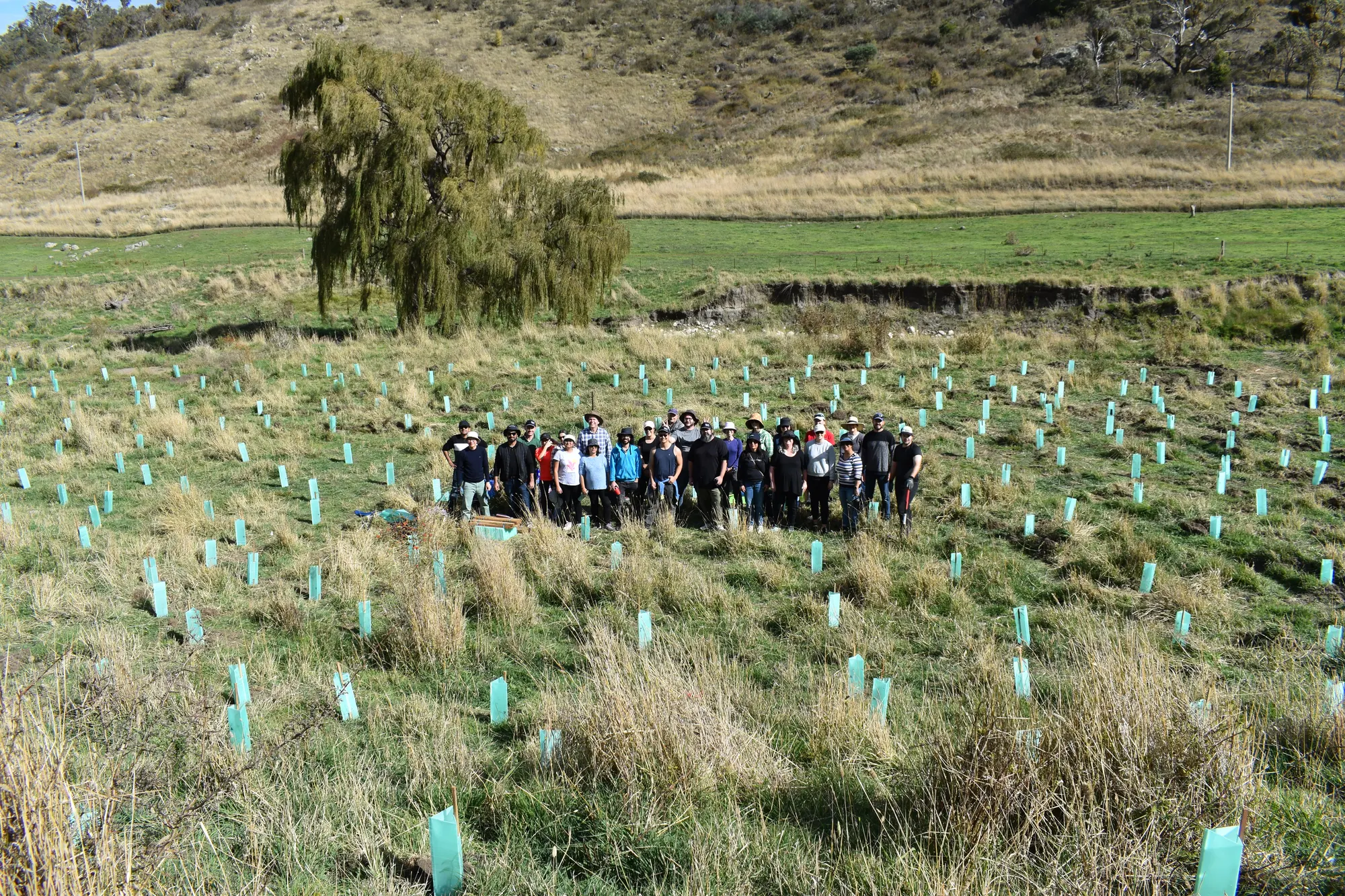
The eWater Group teamed up with Rivers of Carbon to plant 580 tubestock at Honeysuckle Creek.

Corporate Partnerships
We provide opportunities for organisations to help make a difference on-ground, including employee engagement programs such as tree planting days and sponsoring the recovery of a river reach.
Talk to us

Community planting days
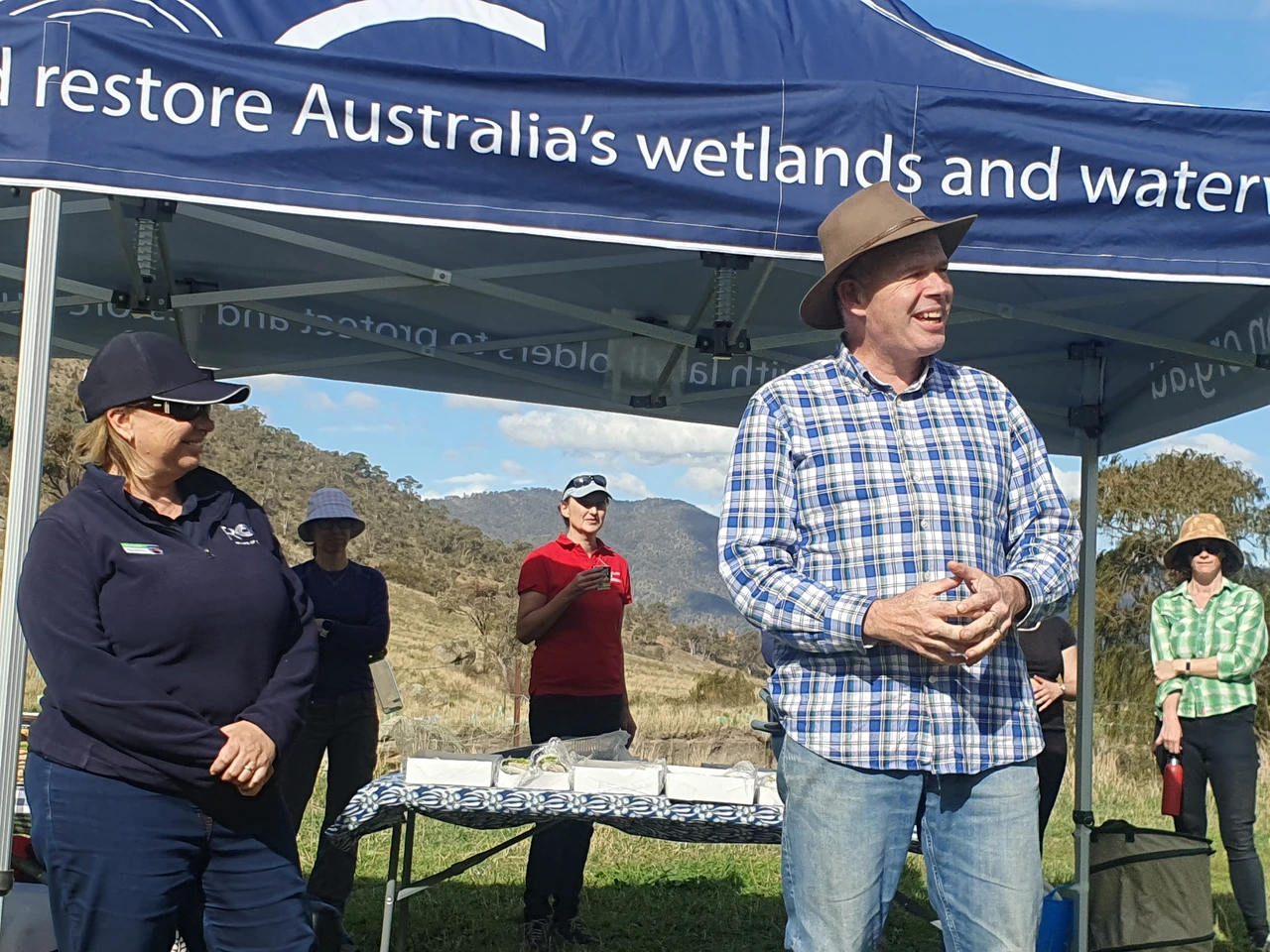
Planting days are a great opportunity for people to connect with nature and each other, feel rewarded, and to make a real difference. We work collaboratively with landholders to facilitate planting days, where local residents and community volunteers can share ownership of restoration outcomes and directly contribute to the health of their local waterways and landscapes.
Volunteer with us
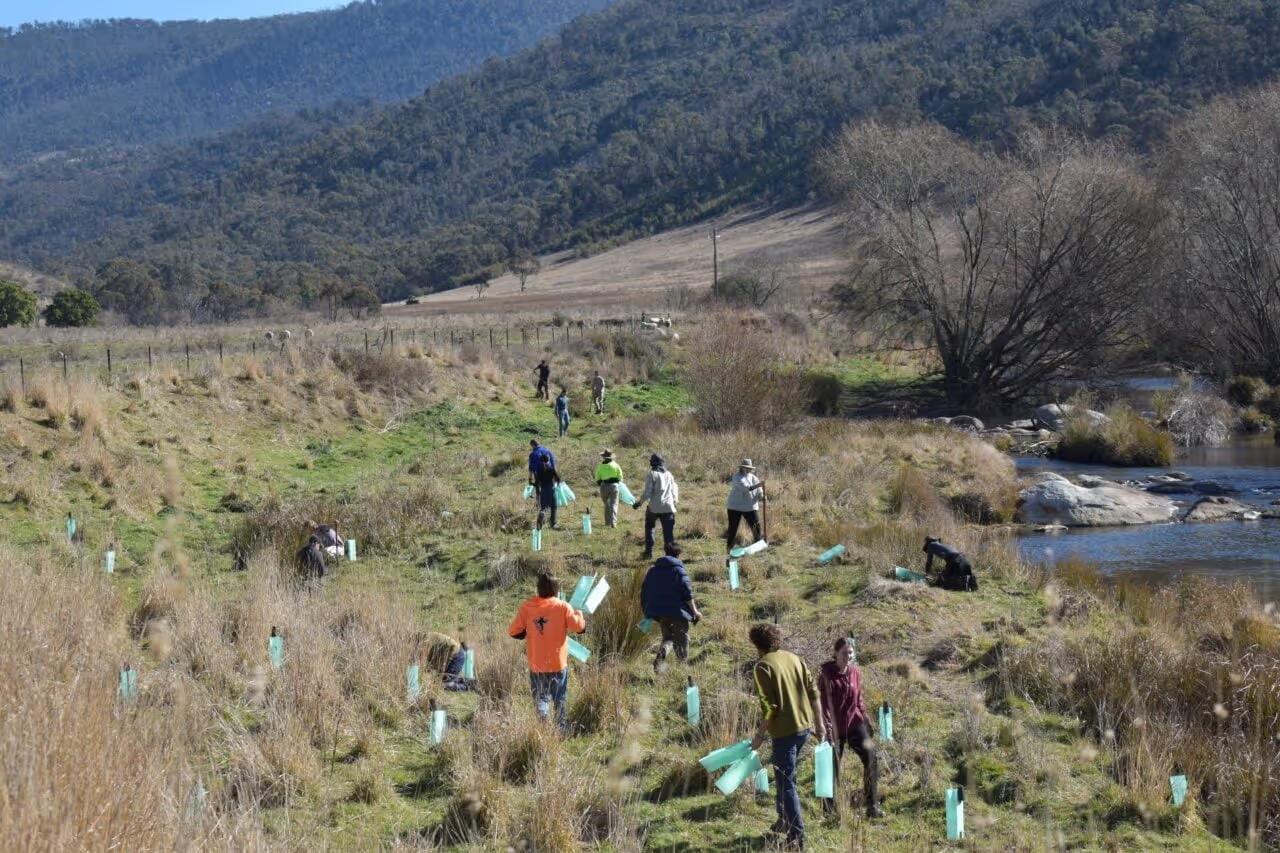
Canberra Institute of Technology planting day on the Gudgenby River, where students planted 130 trees and shrubs along the river.
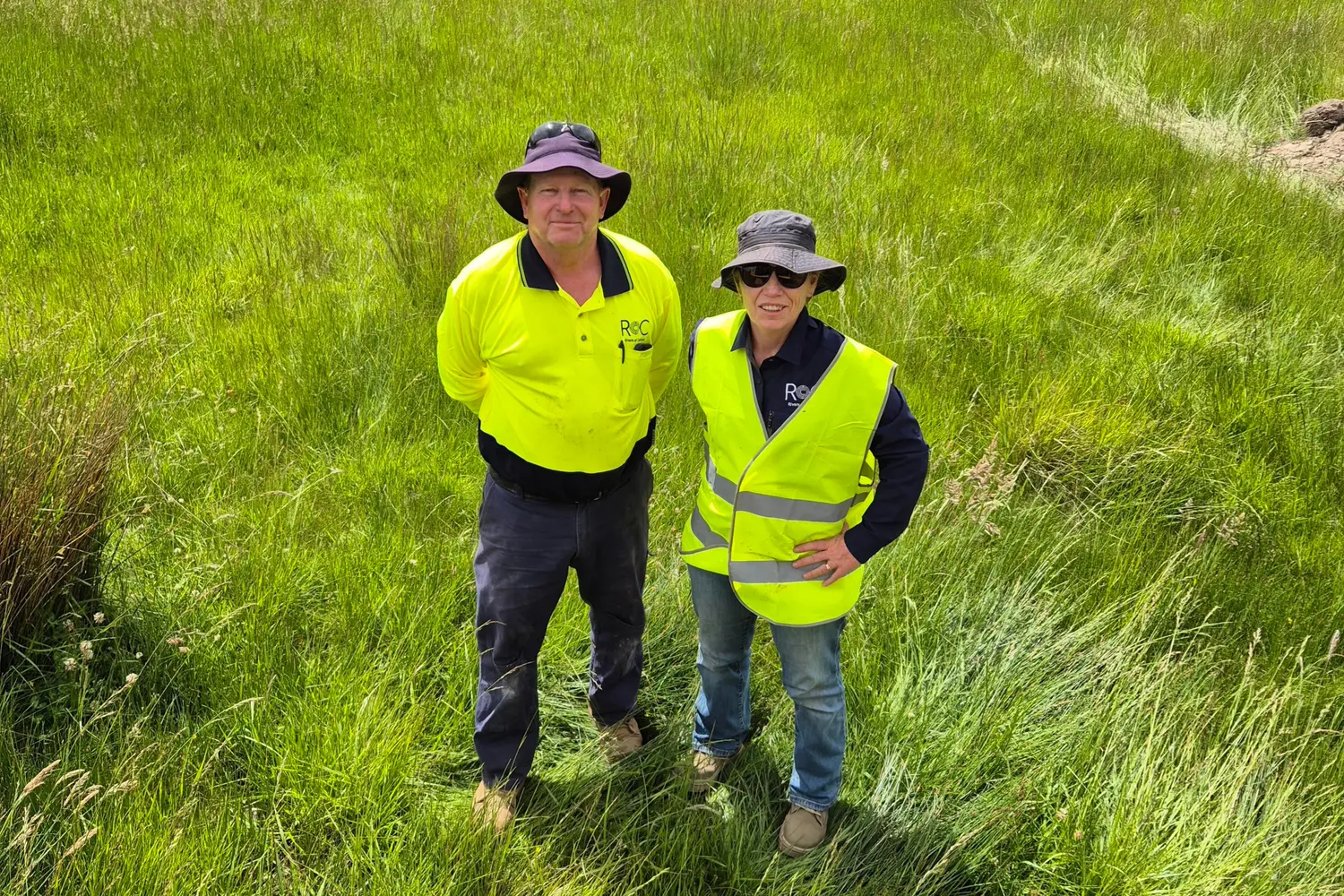
Our Rivers of Carbon team are ready to help.

Support for landholders
We engage landholders to support stewardship efforts in restoring waterways, improving local ecosystems and optimising farm management and productivity. We provide practical, action-oriented advice to identify and implement the best solution for degraded landscapes. We are committed to ensuring a high level of support and value our long-term relationships in the farming community.
Talk to us
To learn more about the Rivers of Carbon Program, head to the program website.
Our approach
Rivers of Carbon is a people-focused program grounded in decades of scientific research into river and riparian zone function, enriched by landholder knowledge and practical management experience.
Our river restoration work is a ‘win-win-win’ initiative – delivering measurable environmental, agricultural, and social benefits. Success is measured in many ways - but at its heart, our goal is for landholders to feel proud of what they achieve through partnership with us.
Environmental benefits
- Expand and connect habitat, which greatly enhances aquatic and terrestrial biodiversity.
- Improve water quality by managing livestock, reducing erosion and controlling runoff - limiting sediment, pathogens and nutrients entering the waterways.
- Stabilise river corridors and maintain vegetation cover to support flood mitigation, reducing erosion and enhancing protection of floodplains.
- Sequester carbon through riparian vegetation growth, helping address climate change.

Agricultural benefits
- Healthier soils from increased vegetation cover and organic matter inputs.
- Improved water quality that increases the overall health and weight gain of livestock.
- Stable stock crossings allowing safe movement of livestock across riparian areas all whilst working within legislation.
- Reduced erosion and increasing biodiversity creating more resilient landscapes.

Social benefits
- Improved mental health and wellbeing, through access to natural spaces.
- Stronger community stewardship as landholders and local groups work together.
- A deeper sense of place, pride, and resilience, knowing that rivers are thriving for future generations.
- Connect culture and Country. For First Nations peoples, rivers are living systems that hold cultural knowledge and spiritual connection. Caring for rivers supports cultural practice and intergenerational knowledge.
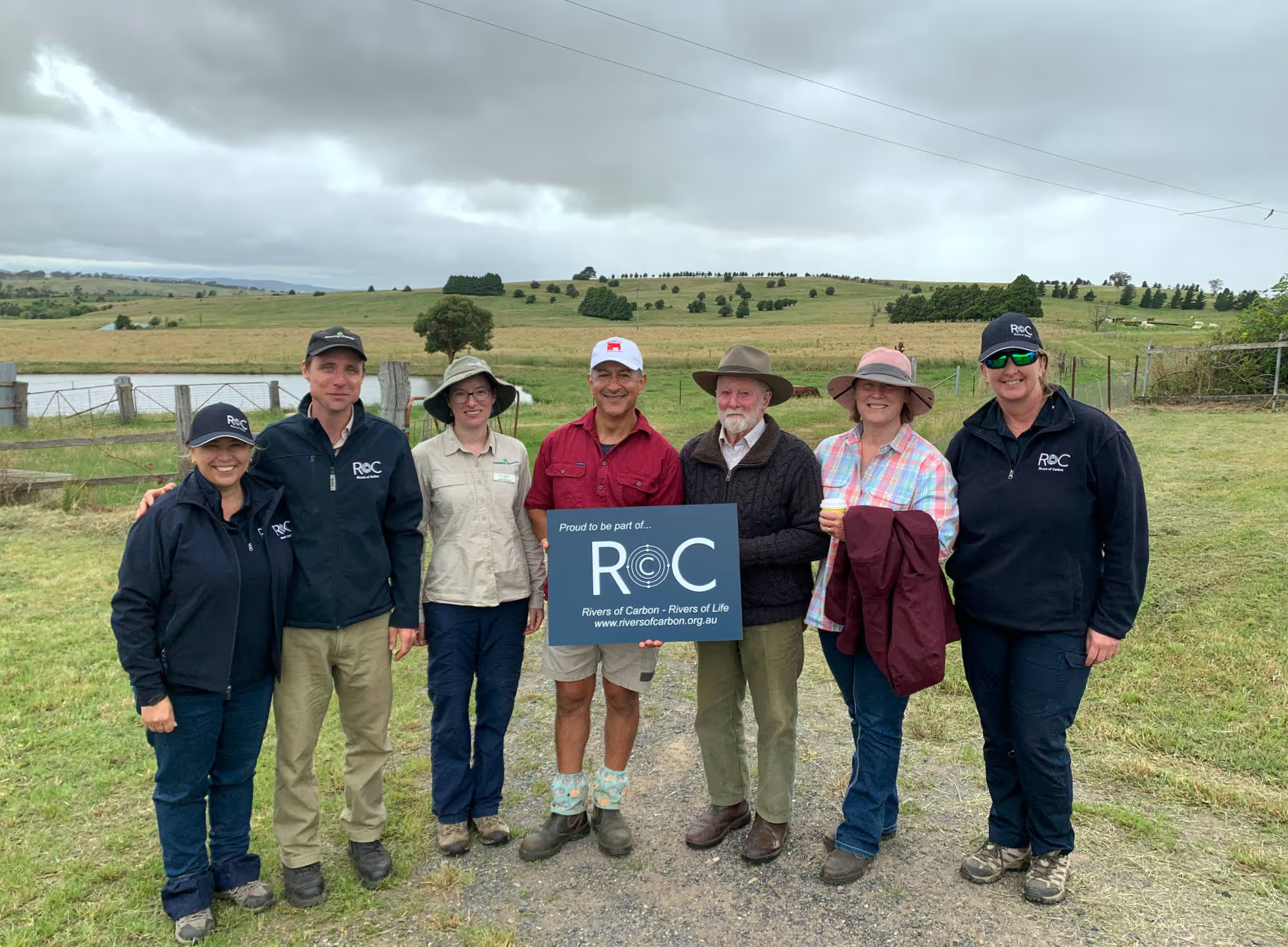
Why work with the ARRC
- We have 18+ years of experience delivering projects that protect and restore Australian rivers.
- By engaging with the ARRC, you support our charitable mission, making a meaningful contribution to restoring and protecting our rivers for current and future generations.
Talk to us to learn more about our river restoration projects and services.
Our Partners

ACT Government
National Landcare Program

WaterNSW

Bush Heritage Australia
NSW Environmental Trust
NSW Local Landcare Service
NSW South East Local Landcare Service

Caterpillar Foundation

Macquarie University

Gunning District Landcare
Department of Climate Change, Energy, the Environment and Water

Department of Agriculture, Fisheries and Forestry – Future Drought Fund

University of Canberra – Institute for Applied Ecology
Greening Australia
Land for Wildlife
Molonglo Catchment Group

Regional Landcare Facilitator
Upper Lachlan Landcare
Boorowa Community Landcare Group
Upper Murrumbidgee Demonstration Reach
Yass Area Network Landcare Groups
Case Studies

Tirranna: Protecting and restoring swampy meadow habitats along the Mulwaree River, NSW

(1)(1).avif)

Overview:
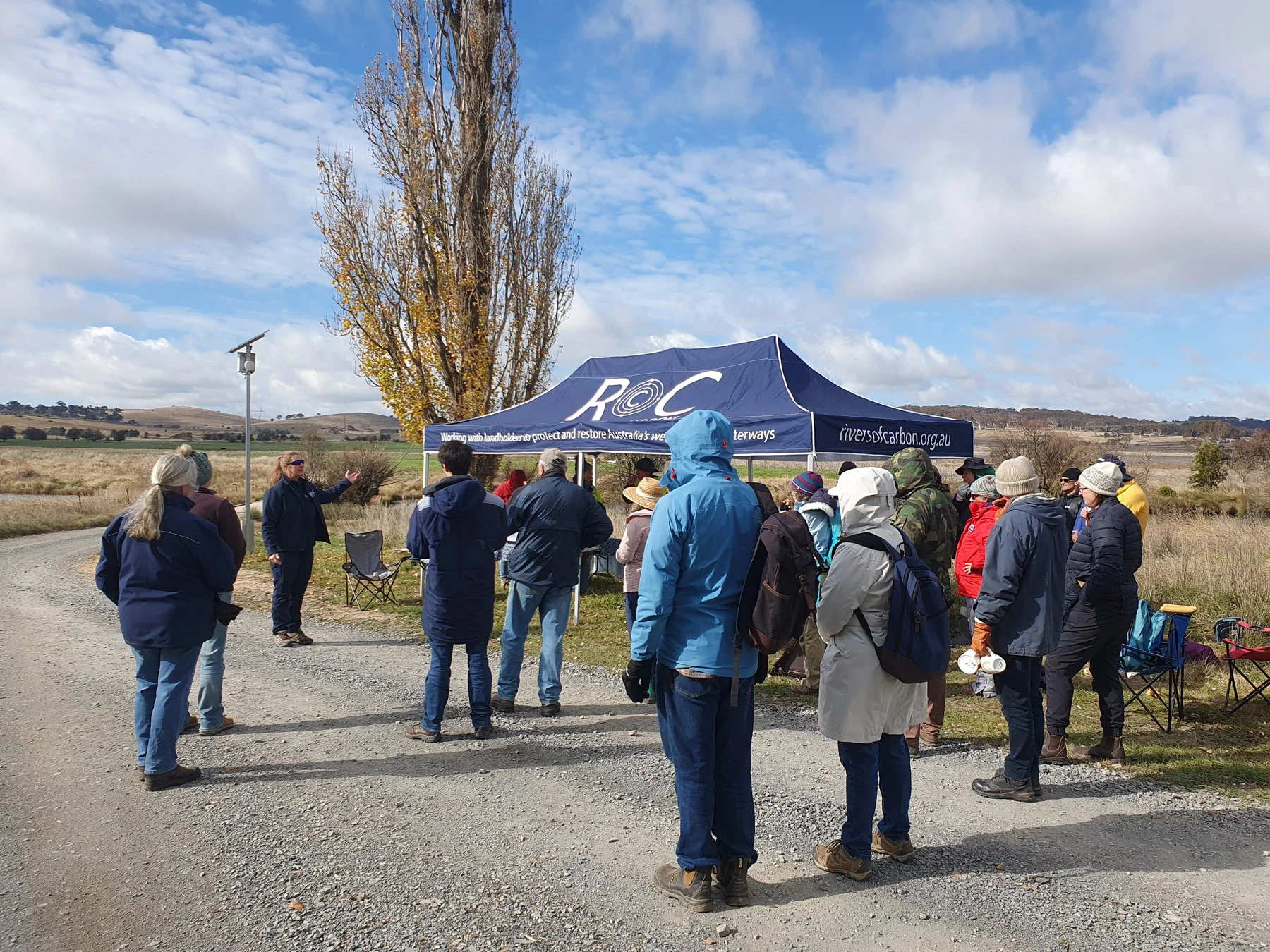
This case study provides a snapshot into one of our successful partnerships with local landholders, working together to make a real impact on waterways. This site is especially important because it is one of the last intact chain-of-ponds in the Goulburn region – over the years many have been drained so that land can be used for cropping and grazing.
At the start of this project, the property lacked habitat for wildlife and there was damage along the bank from cattle grazing.
Impact:
- 1000 native trees and shrubs planted to stabilise soil and provide habitat for native wildlife
- Alternative water supply installed
- 1850m of fencing installed to exclude livestock from the river
- Hosted a planting workshop with the landowners, with 250+ trees planted
Rivers of Carbon – Goulburn District River Linkages project
Overview:
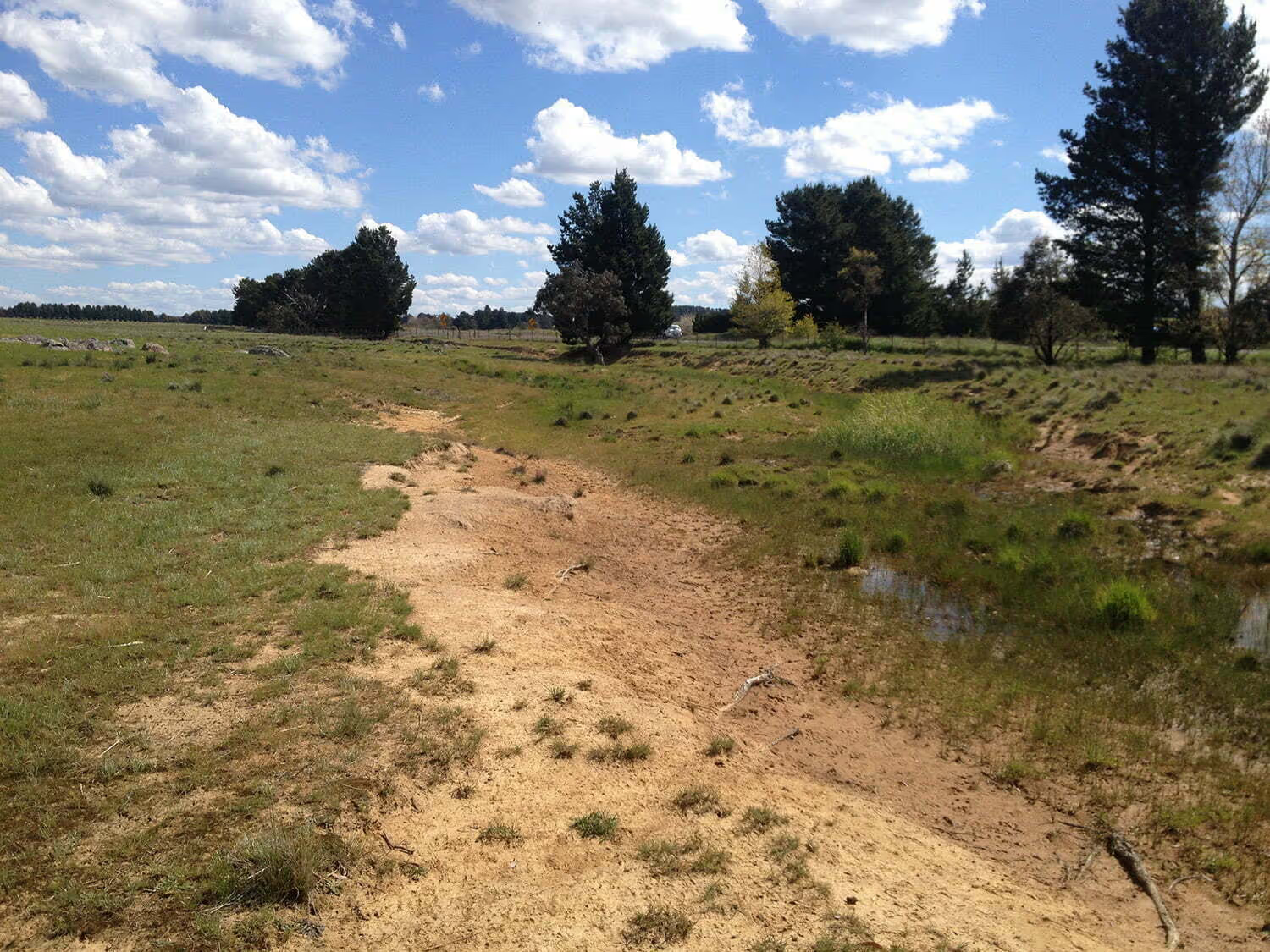
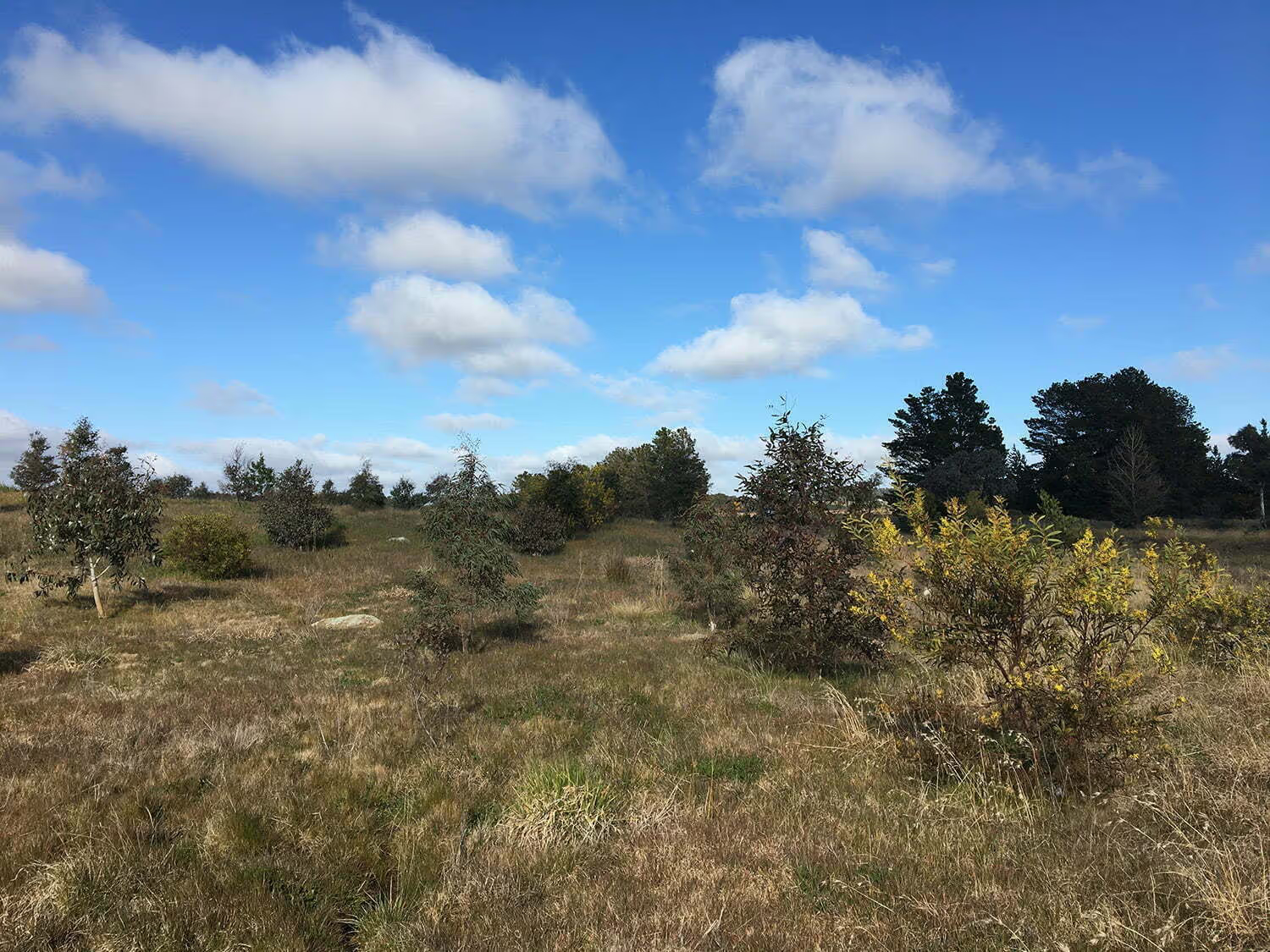
The Rivers of Carbon – Goulburn District River Linkages project was a 10-year landscape-scale restoration initiative funded by NSW Environmental Trust, delivered from 2015 to 2026. The project aimed to restore and connect river corridors, improve biodiversity outcomes, and build long-term stewardship through partnerships with landholders and regional organisations.
Impact:
- 25,900+ trees planted across 50km of waterways
- 408 ha of riparian land restored, linking 3,950 ha of remnant vegetation across the Goulburn region
- 40km of fencing
- 402 ha of weed control
- Partnered with 30 landholders over 42 sites
- 1000+ people engaged across 13 community engagement activities
- Significant environmental and biodiversity improvements documented across all
sites
Corporate Planting Day with eWater Group
Overview:
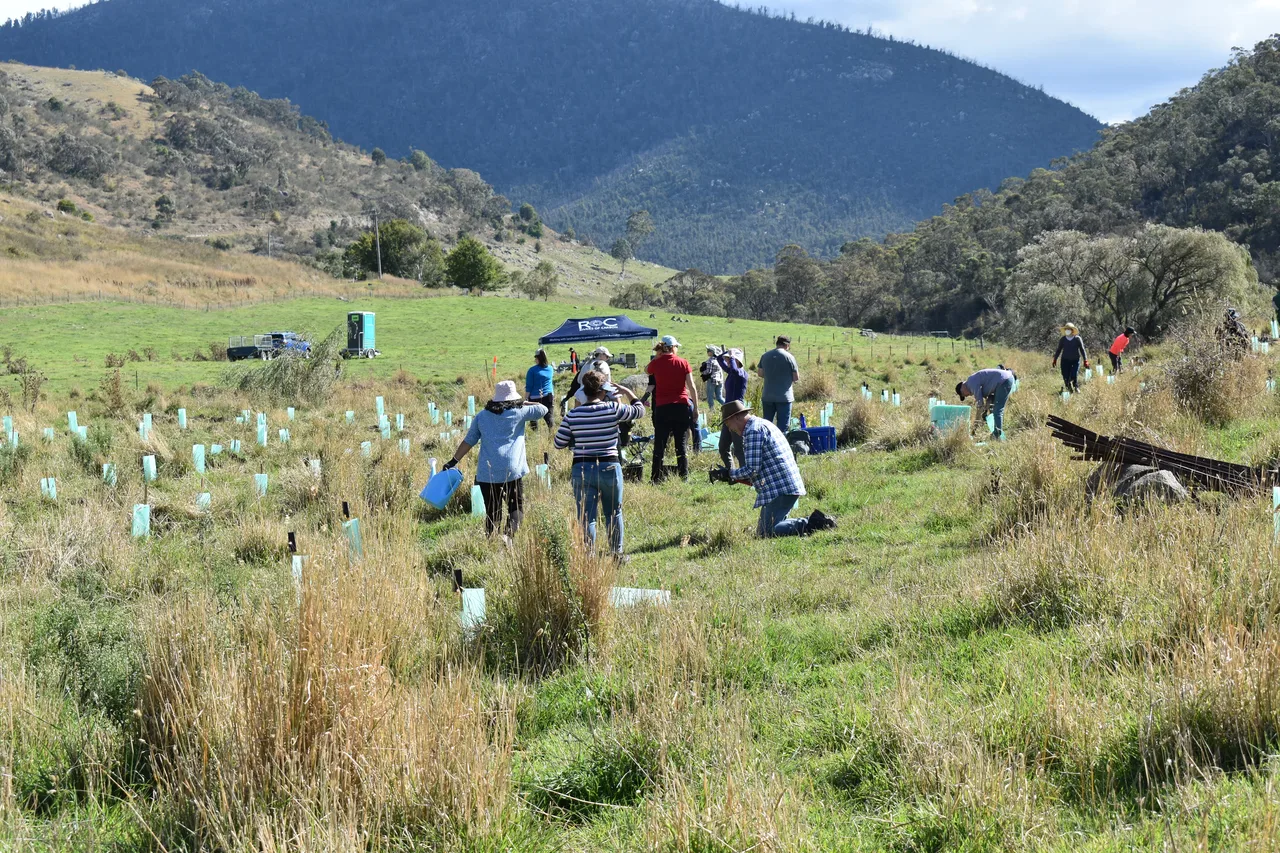
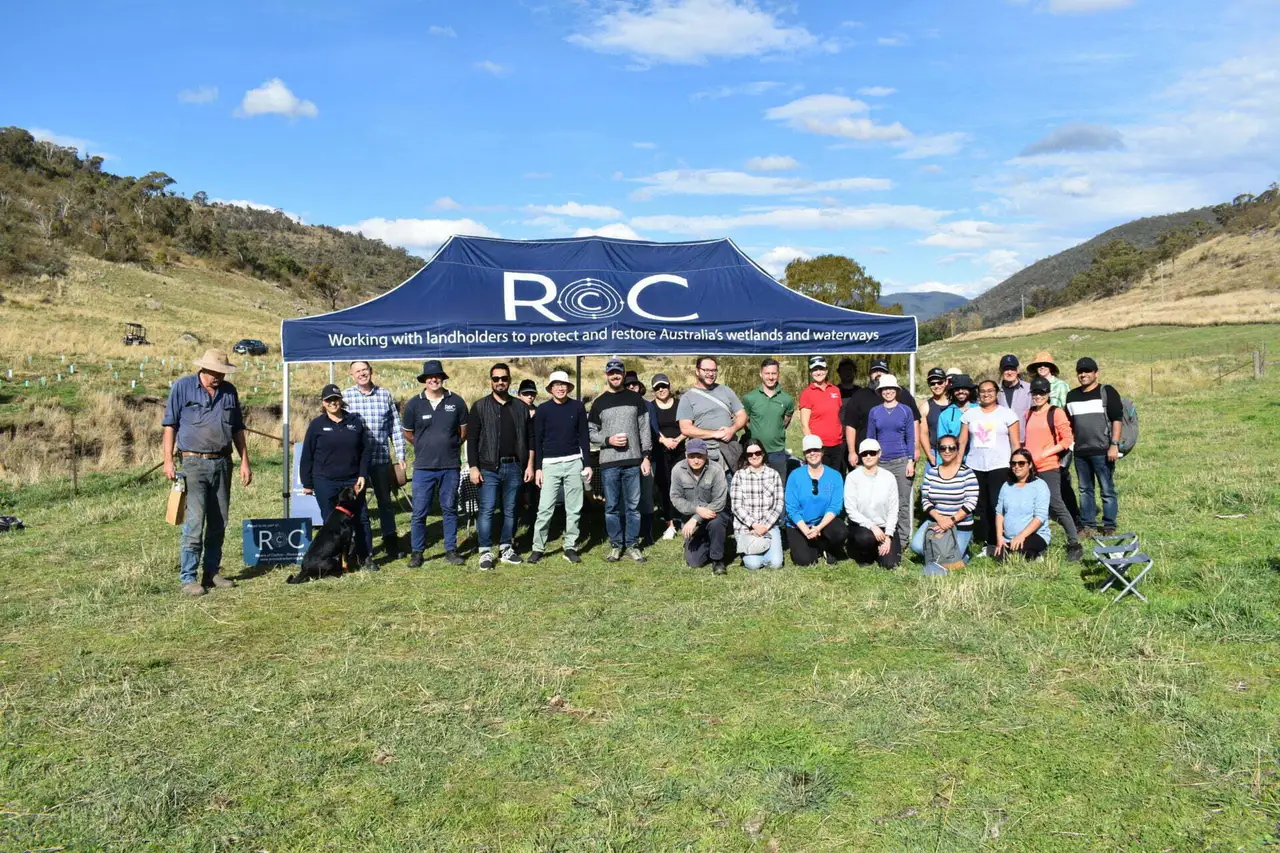
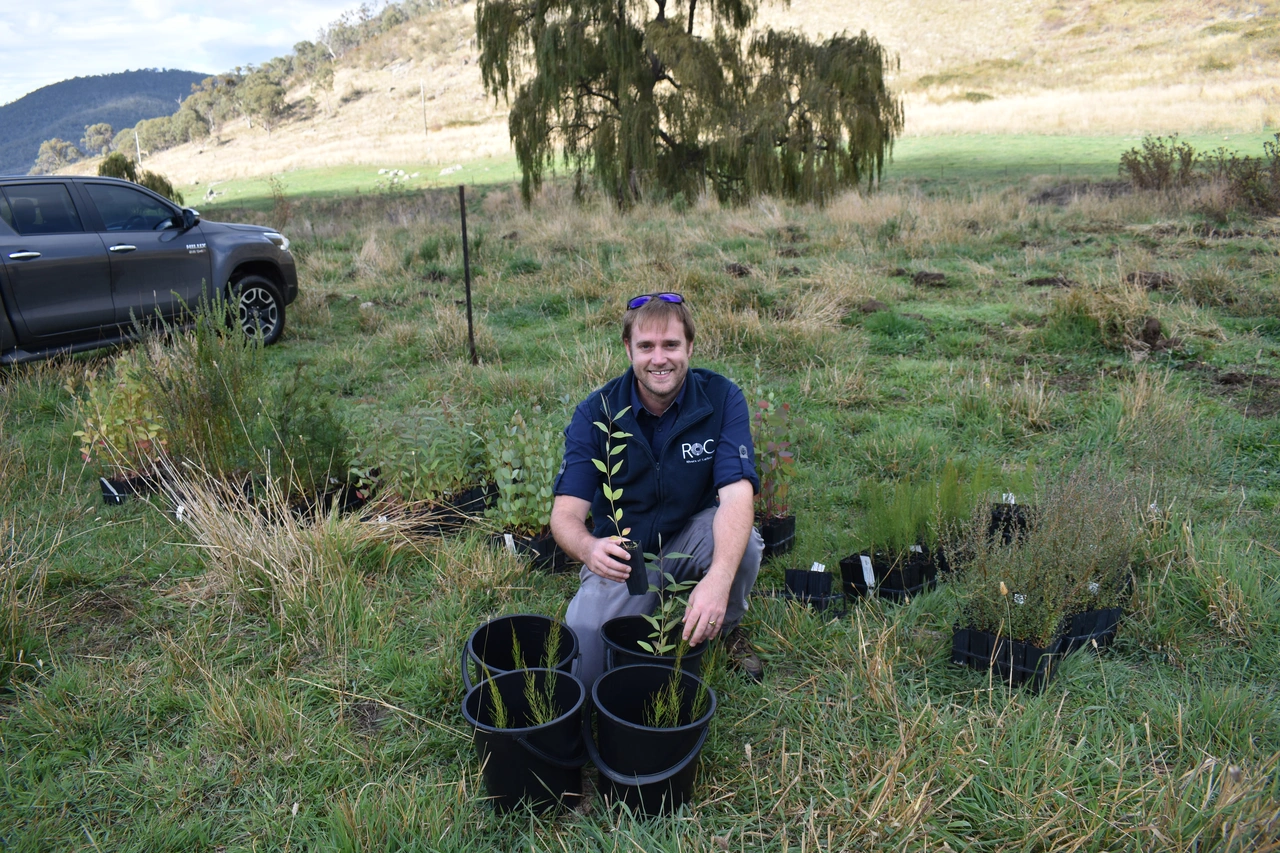
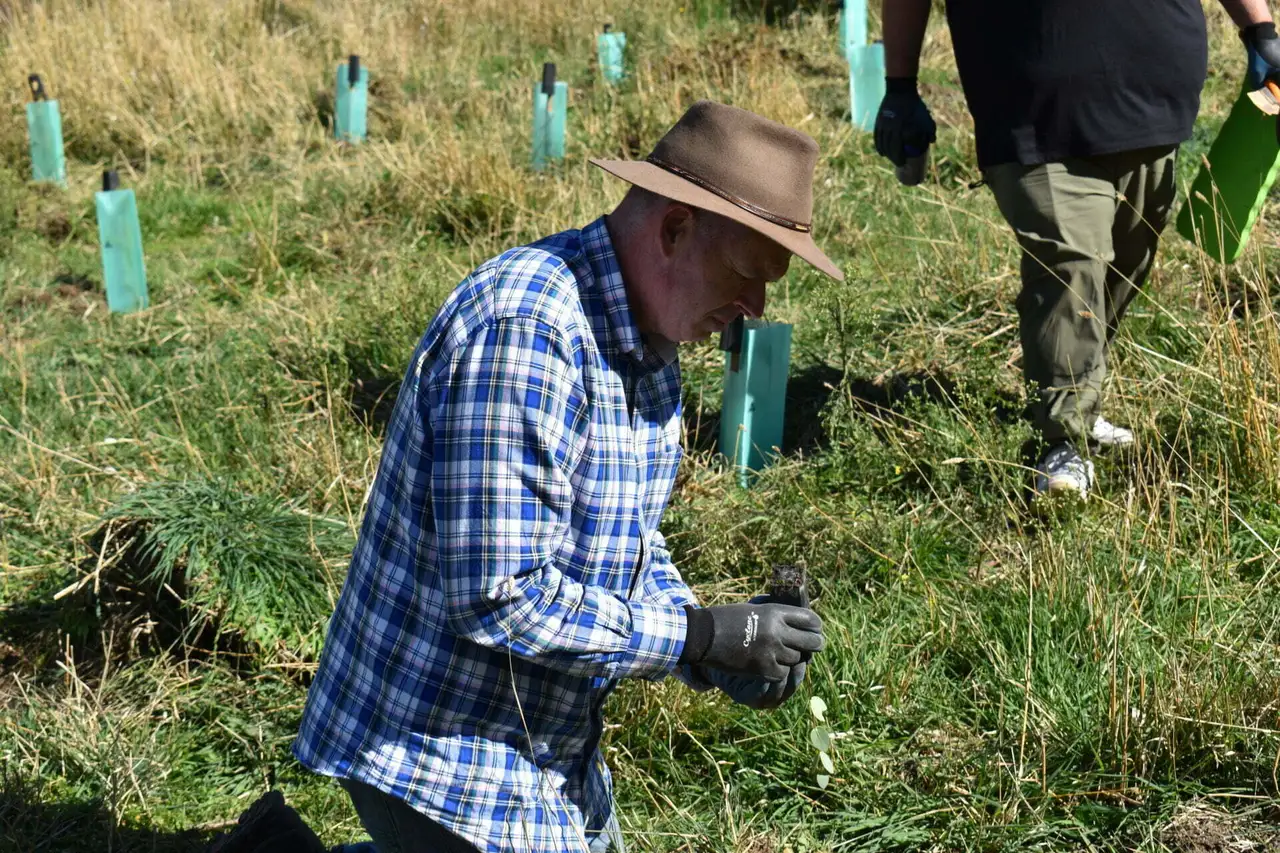
We welcomed 34 eWater Group volunteers to help us plant 580 tubestock on Honeysuckle Creek. Despite the promise of over 25mm of rain, the eWater Group crew teamed up with local landholder Steve Angus to help us revegetate this beautiful waterway.
This planting day was part of the Rivers of Carbon Gudgenby project, supporting landholders restore waterways through fencing, native revegetation, installation of alternative stock water, small-scale erosion works, and minor woody weed removal. Overall, the Gudgenby project protected and restored 10ha of riparian land, fenced 3kms of waterways, managed 6 erosion sites, planted 2,000 native trees and 1,500 native grasses, and held 2 community events.
These planting days are a great opportunity for teams to connect with nature and each other, feel rewarded, and to make a real difference.
Impact:
- 34 employees planted 580 trees
- Direct on-ground impact, contributing to positive outcomes for water quality, biodiversity, climate resilience and carbon sequestration
- Significant environmental and biodiversity improvements documented across all
sites

View some of our river restoration projects and see our work in action.
Stay connected to the rivers you love
Sign up to our monthly email newsletter and be the first to see inspiring stories, practical resources, and ways to make a real difference for our waterways and the native species that depend on them.
Be a part of our community 💚

The ARRC acknowledges the Country we live on
We acknowledge and respect Aboriginal and Torres Strait Islander Peoples as the Traditional and Continuing Custodians of Country. We respect and learn from Elders past, present and emerging, valuing their knowledge, insights, cultures and connections to the waterways we love and care for.
Our Reflect Reconciliation Action Plan promotes a reconciled Australia by supporting and empowering Aboriginal and Torres Strait Islander voices and experience in the work we do to restore and protect our waterways. We make every effort to involve First Nations collaboration and partnerships in all our on-ground projects.
Support our work
There are multiple ways to show your support for what we do.
Choose your own adventure.
Every donation makes an impact.
100% of proceeds go directly towards our work restoring rivers.
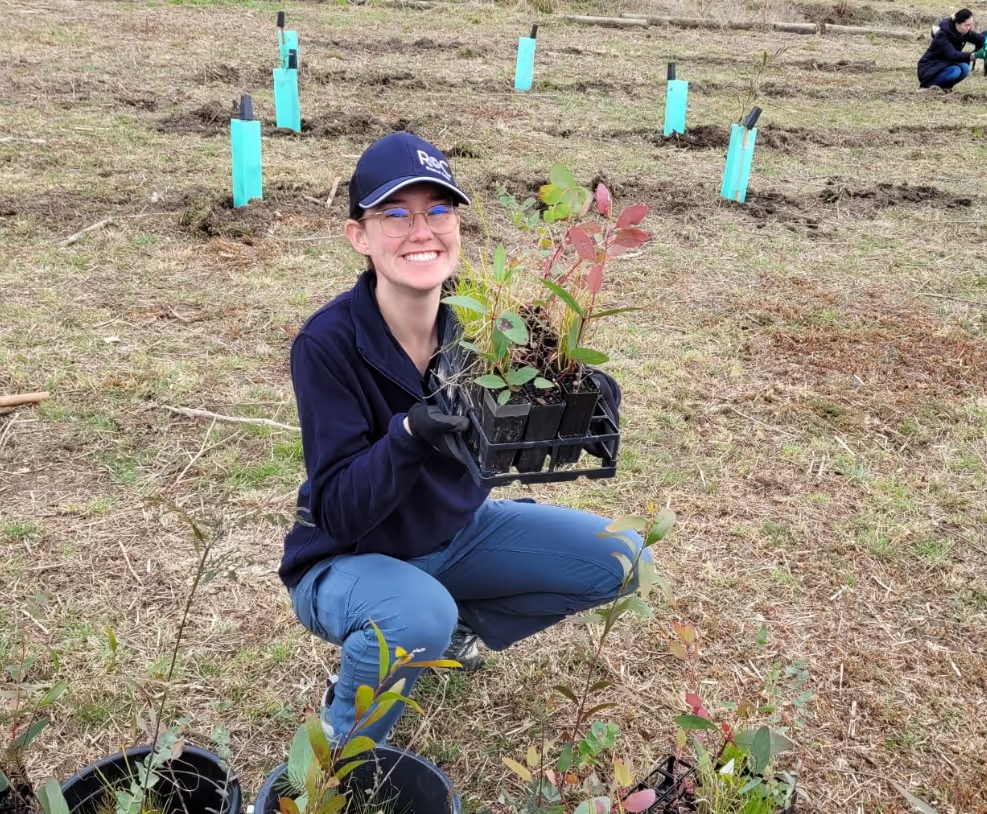
Join us at an upcoming planting day or community event.
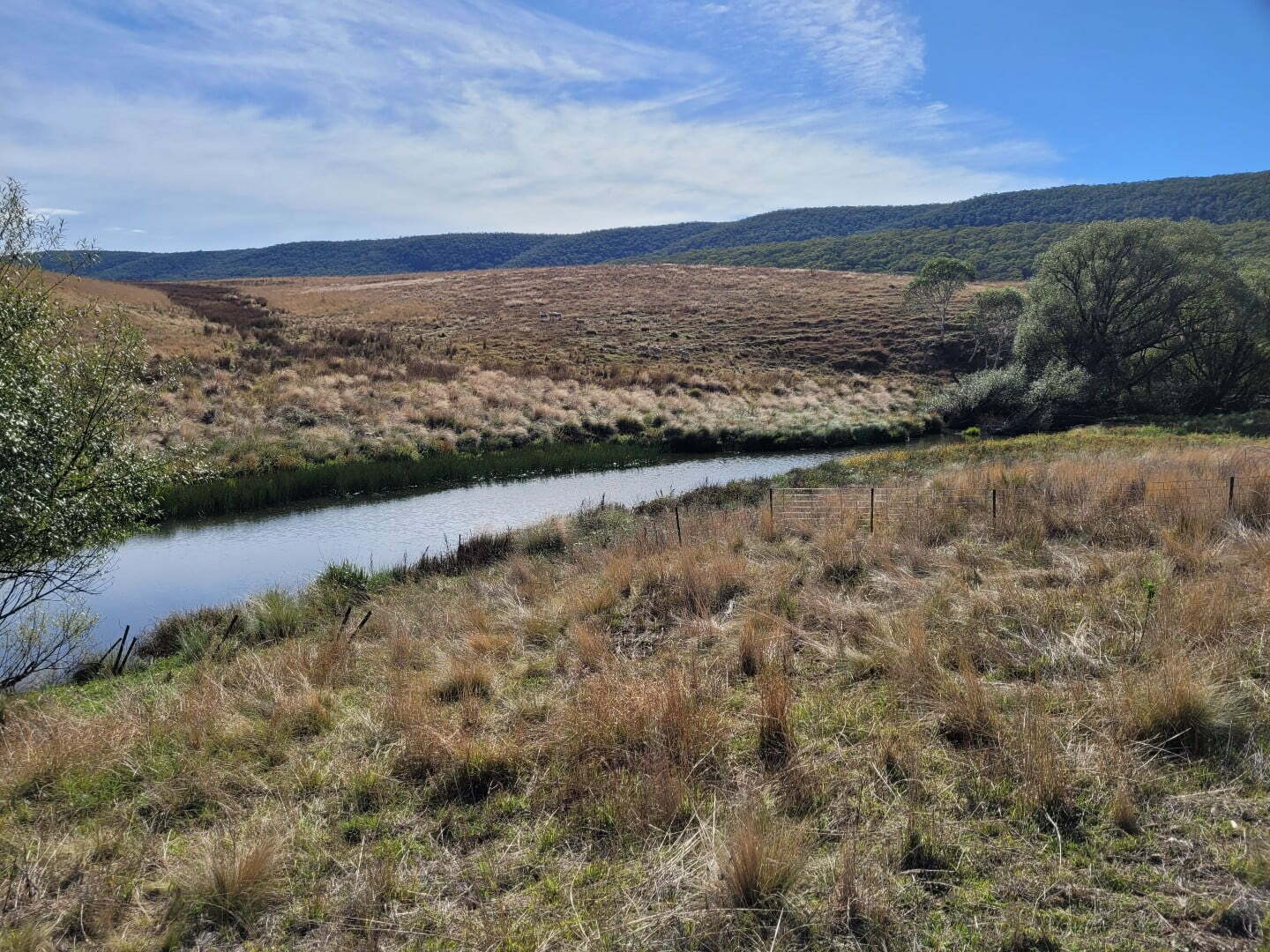
Collaborate with us on a range of projects, working to restore our rivers together.
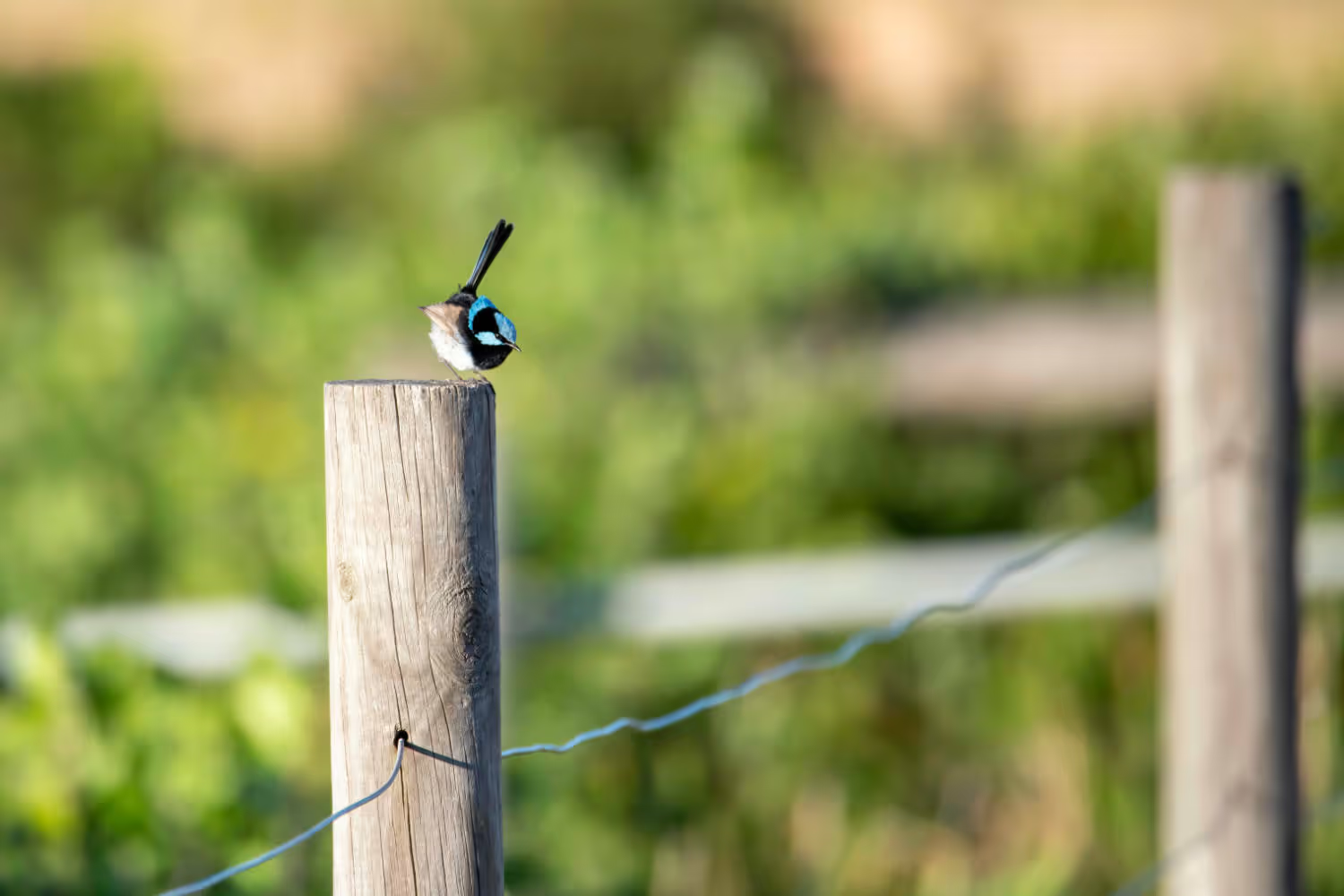
Work with us to achieve sustainability goals and make a positive environmental impact.