
Episode:39The Art of Healing Rivers
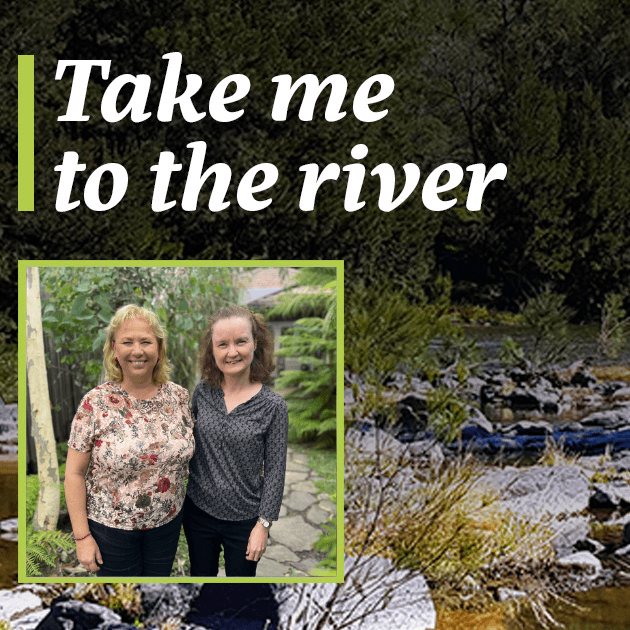
Guests:Professor Kirstie Fryirs, Geomorphologist at Macquarie University
How do rivers heal themselves? Professor Kirstie Fryirs, co-developer of the River Styles Framework, challenges everything you think you know about river restoration. From heavy metal research in Antarctica to her beloved Franklin River, discover how this pioneering geomorphologist learned to let rivers heal themselves.
Show Notes
In this episode of Take Me to the River, Dr. Siwan Lovett sits down with renowned fluvial geomorphologist Professor Kirstie Fryirs—co-developer of the globally adopted River Styles Framework—to explore how rivers are shaped, damaged, and healed.
This jam-packed episode breaks down the science of river restoration through the lens of fluvial geomorphology. But what is geomorphology? As Kirstie explains, it’s all about understanding how rivers take shape — how water, mud, plants, and even animals like carp and platypus help form the way a river looks and behaves.
To make sense of this, Kirstie co-developed the River Styles Framework, a way of identifying different types of rivers, understanding their condition, and working out how they might recover. It’s now used all over the world to help river managers speak the same language when deciding how to care for waterways.
Kirstie challenges conventional thinking about river restoration, emphasising that knowing when NOT to intervene is just as important as knowing when to act. Through the concept of “recovery potential,” she explains how each river must be treated individually with realistic expectations. In a world where rivers cannot return to pre-colonisation conditions, she shows us how to let rivers self-heal when possible.
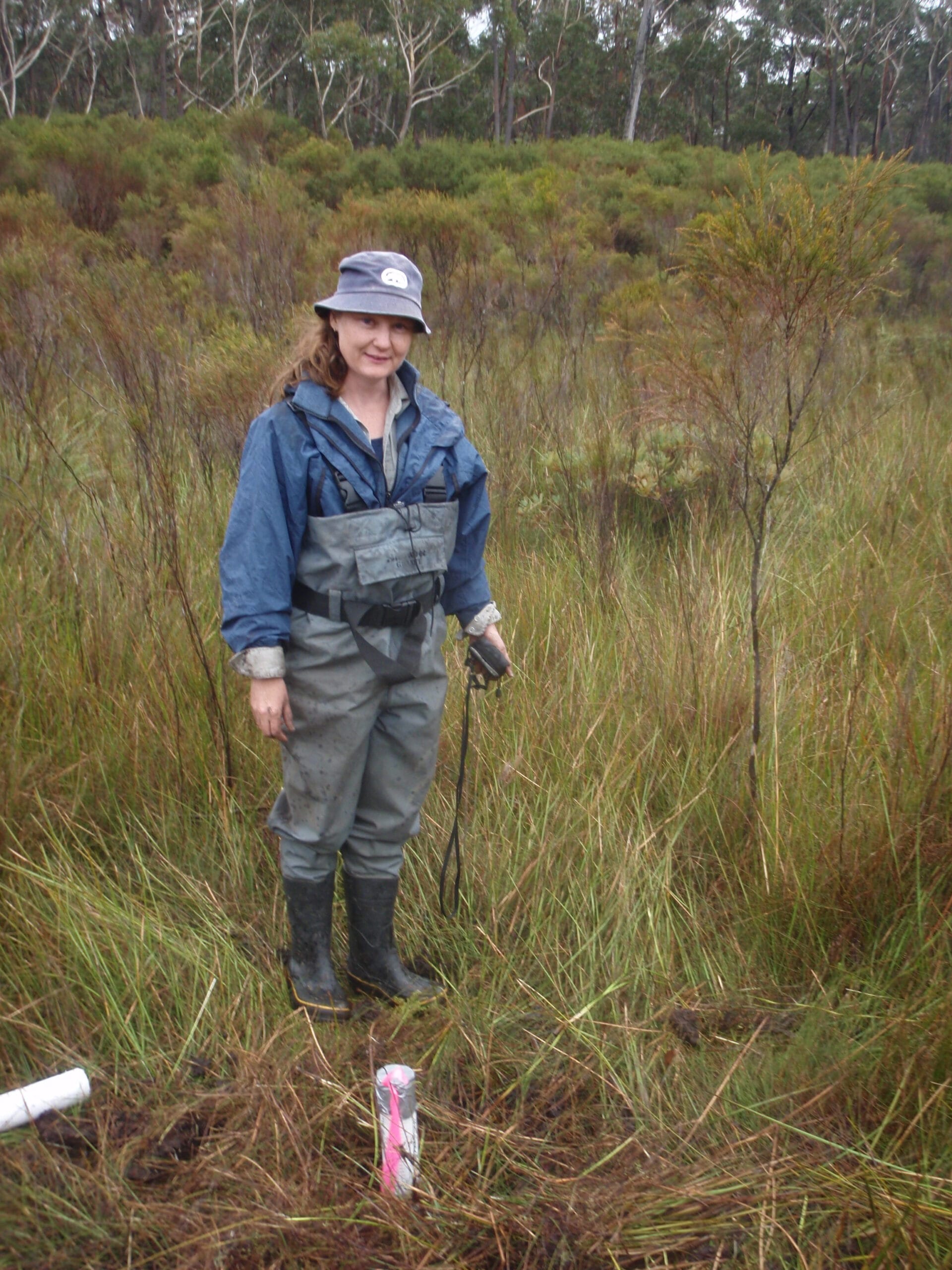
A pioneer for women in the waterway industry, Kirstie became the second female professor of geomorphology in Australia. She shares her remarkable career journey, from studying post-colonisation river disturbance in the Bega catchment, to researching heavy metal contamination in Antarctica where she experienced true silence. She discusses her innovative teaching approaches and the advice that shaped her leadership style.
From icy Antarctic stations to the wild beauty of Tasmania’s Franklin River, Kirstie’s passion for rivers is infectious and you can hear it in every moment of this conversation. Whether you’re a conservationist, scientist, or simply someone who loves waterways, this episode offers invaluable insight into river recovery — and the experience of being a pioneering woman in environmental science.
"Knowing when a river is at a point where we can leave it alone takes bravery... it takes bravery to say, let's just see how the river responds."


Resources:
- Kirstie’s Macquarie University profile with links to research papers, projects and books
- Connect with Kirstie on LinkedIn
- River Styles Framework
- Kirstie’s Franklin River Story
Macquarie University microcredential courses:
Stay connected to the rivers you love
Sign up to our monthly email newsletter and be the first to see inspiring stories, practical resources, and ways to make a real difference for our waterways and the native species that depend on them.
Be a part of our community 💚

The ARRC acknowledges the Country we live on
We acknowledge and respect Aboriginal and Torres Strait Islander Peoples as the Traditional and Continuing Custodians of Country. We respect and learn from Elders past, present and emerging, valuing their knowledge, insights, cultures and connections to the waterways we love and care for.
Our Reflect Reconciliation Action Plan promotes a reconciled Australia by supporting and empowering Aboriginal and Torres Strait Islander voices and experience in the work we do to restore and protect our waterways. We make every effort to involve First Nations collaboration and partnerships in all our on-ground projects.
Support our work
There are multiple ways to show your support for what we do.
Choose your own adventure.
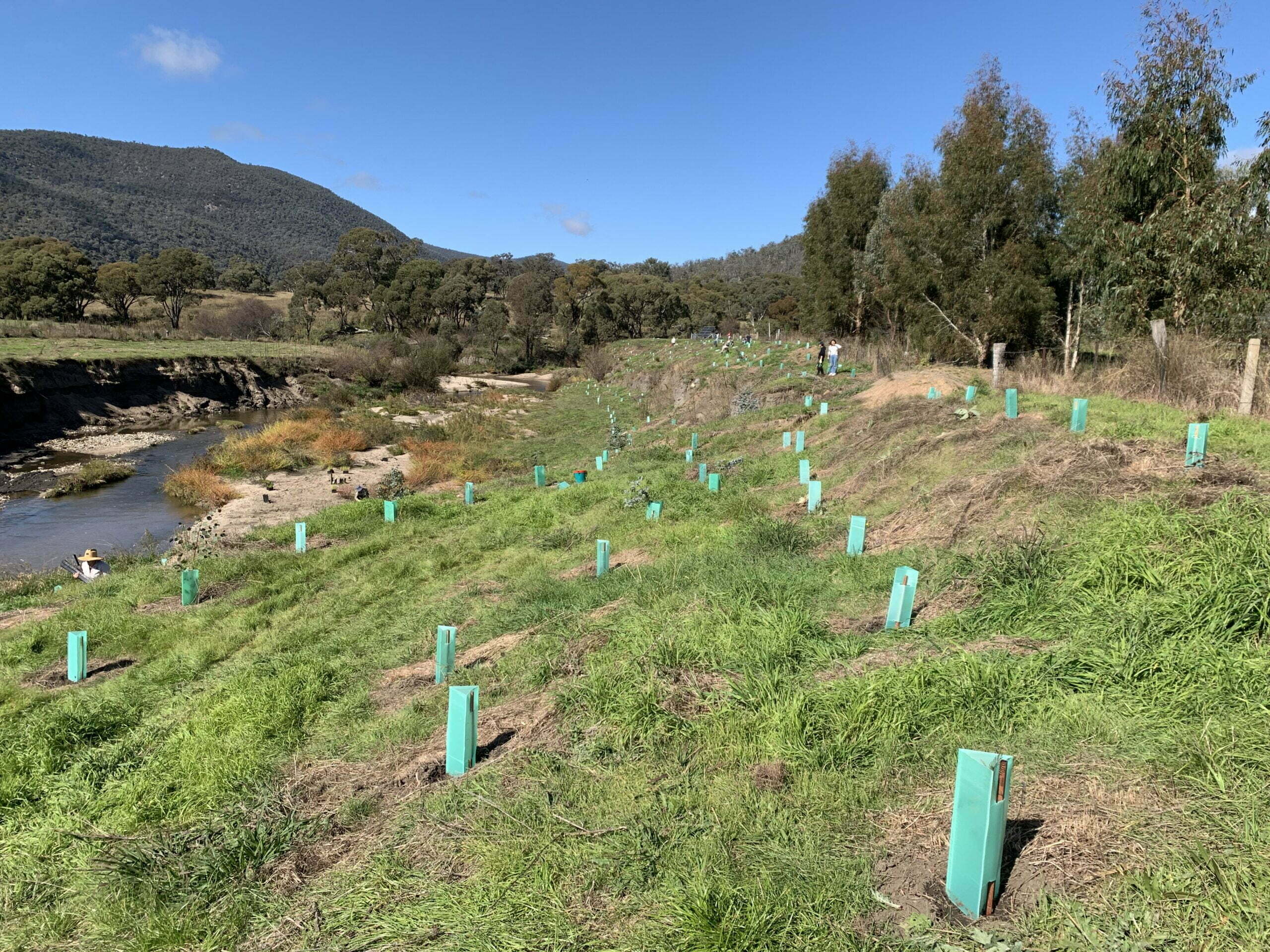
Every donation makes an impact.
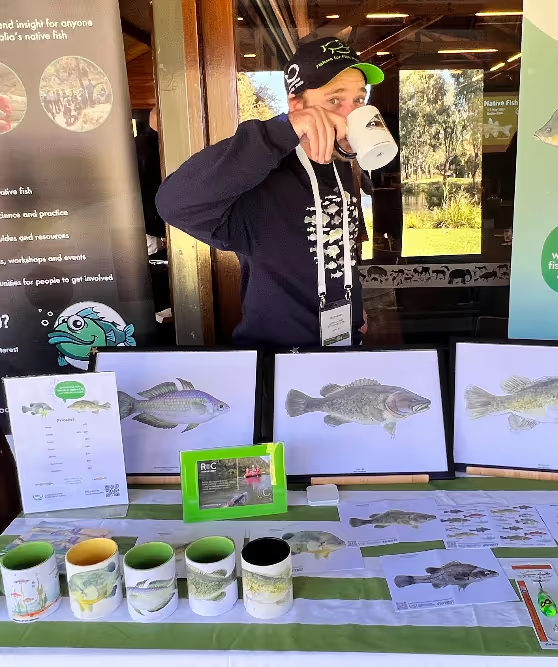
100% of proceeds go directly towards our work restoring rivers.
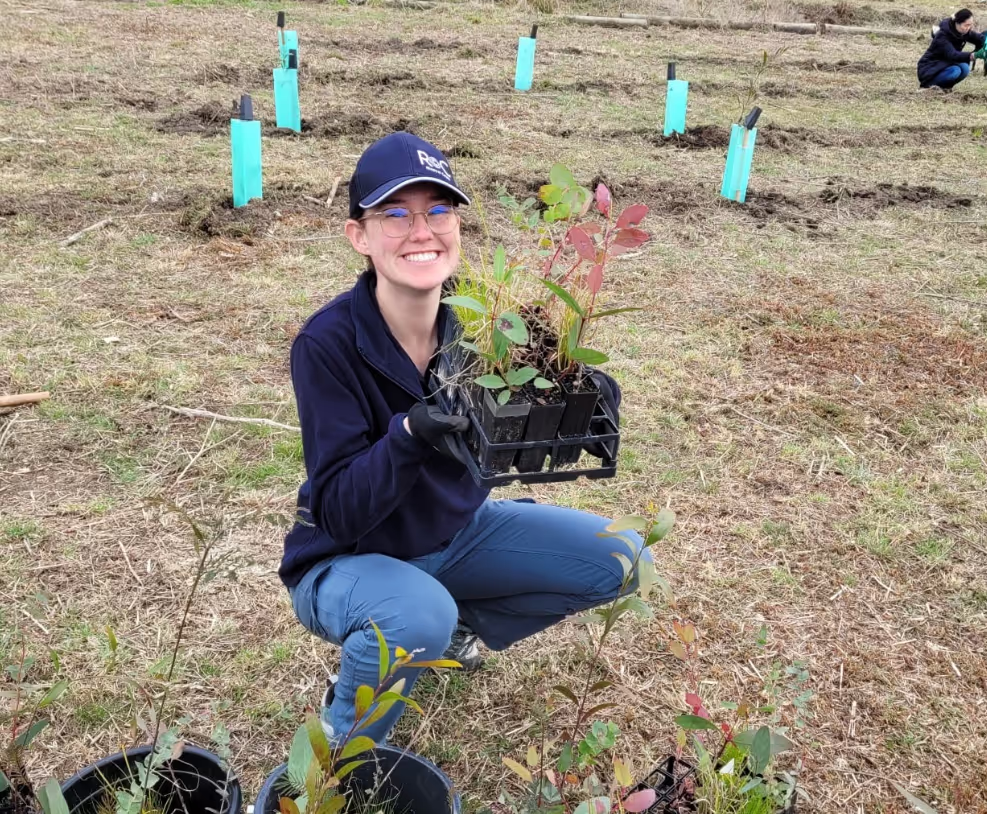
Join us at an upcoming planting day or community event.
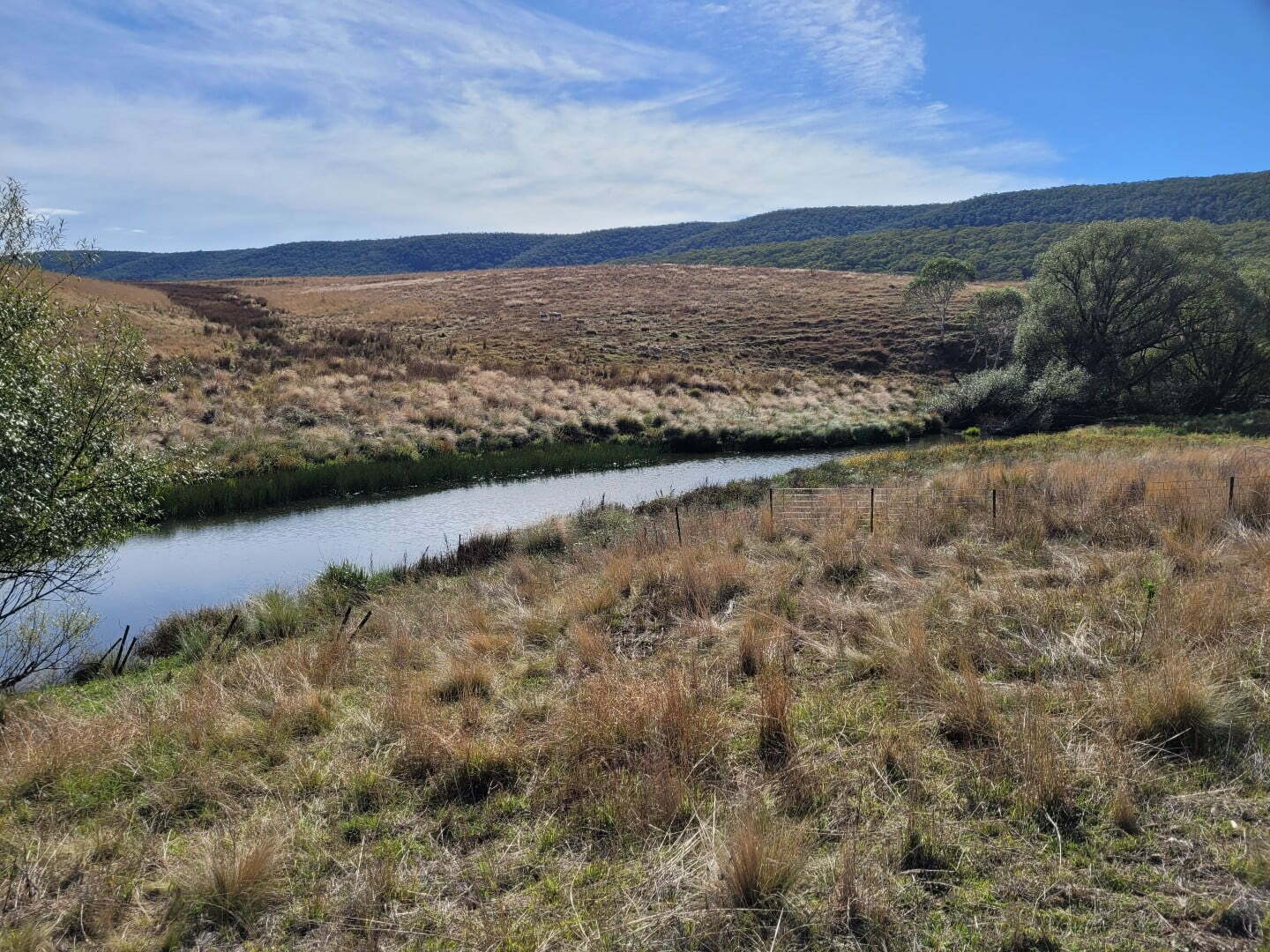
Collaborate with us on a range of projects, working to restore our rivers together.
Work with us to achieve sustainability goals and make a positive environmental impact.