
Working in and around waterways:
understanding the rules
This presentation provides land managers with a high level understanding of regulations when working on waterways in NSW. The session covers important topics such as basic landholder rights (harvestable rights), stream order and the classification of waterways, controlled activities and exemptions that relate to conducting work without an approval. Below the video is further information, online tools and resources.

Presenter: Nathan Blakelock
Natural Resources Access Regulator (NRAR)
I'm a core part of NRAR's Education team, which delivers programs to drive voluntary compliance with the NSW water laws. I have over 20 years of experience in the investigation and enforcement space, and I use my skills at NRAR to break down complex legislation and help people understand their obligations as water licence holders.
Planning work near a waterway? Start here
1. Identify your waterway and stream order
- Use Hydroline Data to check mapped waterways and stream order.
2. Work out what rules may apply
- Use Water Assist and the supporting NSW Government information.
3. Check for a controlled activity exemption
- Use the Controlled Activity Exemption e-tool and read the conditions for the relevant exemption.
4. Check water rights and dam capacity if relevant
- Use the Basic Landholder Rights information and Maximum Harvestable Rights Dam Calculator.
5. Still unsure?
- Contact the relevant NSW water agency before starting work.
Information Resources
Nathan has provided the NRAR Links and resources page as the main starting point. It brings together NSW Government tools and information for understanding water rules and checking requirements that may apply to a property.
Particularly useful resources referenced during the webinar include:
- Hydroline Data - determine stream order
- Controlled Activity Exemption e-tool
- Water Assist
- Maximum Harvestable Rights Dam Calculator
- Basic Landholder Rights
- Controlled Activity Approvals
- Study water compliance online - NRAR and TAFE NSW eLearning
Webinar Q&A
These questions were discussed during the webinar and live Q&A.
Finding out what applies to my property:
Who do I contact if I want to do work on or around a creek?
Start by identifying exactly what you want to do, then use the relevant NSW Government tools and information.
For water licensing, basic landholder rights and water management works, Nathan directed participants to WaterNSW. For controlled activity approvals, use the NSW department’s controlled activity information and tools. NRAR’s role includes enforcing water rules as well as education and outreach.
If you are planning works on waterfront land, the Waterfront Land e-tool and Controlled Activity Exemption e-tool are a logical starting point.
How do I know what stream order runs through my property?
NSW uses the Strahler stream-order system. At the top of a catchment, the smallest mapped waterways are first-order streams. When two first-order streams meet, they form a second-order stream. Two second-order streams form a third-order stream, and the pattern continues downstream. Nathan demonstrated NSW Hydroline spatial mapping as a practical way to check mapped stream order. He also cautioned that mapping may not identify every watercourse, so an unmapped drainage feature should not automatically be assumed not to be a watercourse.
Why does stream order matter?
Stream order can affect which rules apply. In the context discussed during the webinar, first- and second-order streams are minor streams, while third-order and higher streams are major streams. This is particularly relevant to the location of harvestable-rights dams and the design requirements for work on waterfront land.
Taking water for domestic and stock use:
Can I take water from a creek or bore for my house and livestock?
Basic landholder rights include domestic and stock rights. Where the legislative criteria are met, an owner or occupier may take water from a river, estuary or lake to which the land has frontage, or from an aquifer underlying the land, for domestic consumption and stock watering. These rights have limits: the water is for domestic and stock purposes rather than general commercial irrigation, and stock watering does not include intensive animal husbandry in the example discussed during the webinar.
Can I simply put a pump in the creek?
Nathan explained that where the domestic and stock right applies and the property has the required frontage, water can be pumped from the water source for domestic and stock purposes. However, constructing other water-management works, such as a bore, can require approval even though the landholder has a right to take and use the water.
Can I use domestic and stock water for commercial crops?
Not under the domestic and stock right discussed in the webinar. Nathan used the example of fruit trees: growing fruit for ordinary household consumption may fit within domestic use, but using that water to irrigate a commercial crop crosses into a different form of water use requiring licensed water. This differs from harvestable-rights water, which Nathan explained can be used for any purpose.
Harvestable-rights dams:
Can I build a dam to capture rainfall runoff?
Potentially. Harvestable rights allow eligible landholders to capture and store a prescribed amount of rainfall runoff in dams without the water licensing and approval requirements that would otherwise apply to taking water, provided the relevant harvestable-rights rules are satisfied. Check the property’s entitlement using the Maximum Harvestable Rights Dam Calculator.
How much water can I capture?
The amount depends on the property’s location and landholding area. The calculator provides the combined maximum harvestable-right dam capacity for the landholding. It does not establish that a particular proposed dam location is lawful.
Can I have more than one harvestable-rights dam?
Yes, provided the applicable requirements are met and the combined relevant dam capacity remains within the maximum for the landholding. Nathan used an example of a property with 17 ML of capacity: that capacity could potentially be distributed across multiple dams rather than requiring one 17 ML dam.
Can my neighbour dam a gully to create harvestable-rights water?
Potentially. The critical issues include stream order, dam location and the landholder’s available harvestable-right capacity. Nathan explained that a harvestable-rights dam may be constructed on a minor stream where the applicable requirements are satisfied. The calculator does not establish whether a proposed location is lawful.
Where can a harvestable-rights dam be constructed?
In the context discussed during the webinar, harvestable-rights dams that obstruct stream flow are limited to minor streams: first- and second-order streams. Nathan also described restrictions near higher-order streams and Ramsar wetlands. Check the current rules and the individual site before proceeding.
Working on waterfront land:
What is waterfront land?
Waterfront land includes the bed of a river, lake or estuary and land within 40 metres of the relevant bank, shore or mean high-water mark. A watercourse does not necessarily have to look like a permanently flowing creek. The legislative concepts discussed can include intermittent waterways, and identifying the feature can require more than looking for a clearly defined channel.
What is a controlled activity?
Nathan explained that controlled activities cover a broad range of work, including the removal or deposition of material or vegetation and activities affecting the quantity or flow of water in a water source. If proposed work is on waterfront land and no exemption applies, a controlled activity approval may be required.
Do controlled activity approval requirements only apply to major streams?
No. Nathan confirmed that controlled activity approval requirements can apply across stream orders. Whether approval is required depends on the activity and whether an exemption applies.
Controlled activity exemptions:
Are some activities on waterfront land exempt from a controlled activity approval?
Yes. Not every activity on waterfront land requires a controlled activity approval. The Water Management (General) Regulation contains exemptions, and NSW provides the Controlled Activity Exemption e-tool to help identify whether one may apply. Check the detailed requirements and keep a record of the result.
Is grading a vehicle track within 40 metres of a river automatically a controlled activity requiring approval?
Not necessarily. Nathan pointed to an exemption relating to activities connected with fencing, crossings or tracks and recommended checking its detailed conditions. This is the type of scenario that should be worked through using the Controlled Activity Exemption e-tool.
Can I maintain an existing dam without a controlled activity approval?
There is an exemption relating to maintenance of existing lawful works. Nathan explained that where a dam is a lawful water-management work, maintenance can fall within this exemption. He gave examples including removing silt, repairing keyways and fixing outlets. The conditions still need to apply to the particular work.
If I reshape a dam while decommissioning it, is that maintenance?
The webinar discussion explained the maintenance exemption for a lawfully constructed dam, but did not establish that all decommissioning or reshaping automatically qualifies as maintenance. For substantial reshaping or decommissioning, run the proposed work through the exemption e-tool or seek advice before commencing.
Is a harvestable-rights dam exempt from needing a controlled activity approval?
Nathan explained that where a dam is lawfully constructed in accordance with the applicable harvestable right under section 52, the controlled activity exemptions recognise work undertaken under that right. This does not remove the need to comply with the harvestable-rights requirements themselves.
Vegetation and overlapping legislation:
Can I remove vegetation on waterfront land?
There is a controlled-activity exemption relating to some vegetation removal, but it has conditions. Nathan cautioned against treating the simplified webinar description as the complete rule and encouraged landholders to check the actual exemption requirements.
What if the vegetation is native vegetation or part of a threatened ecological community?
A controlled activity exemption under water legislation only deals with that approval requirement. It does not mean requirements concerning vegetation, biodiversity or fisheries cease to apply. Other approvals may still be required.
If I already have approval for an activity under another Act, such as vegetation clearing, do I also need a controlled activity approval?
Another approval does not necessarily mean you can assume that a controlled activity approval is not required. It is important that you speak with the relevant agencies and confirm if the work requires approval e.g. DA issued by council might require integration at lodgement to ensure the correct assessments have been conducted.
There are exemptions under the water legislation for certain activities authorised or carried out under other legislative provisions, but whether an exemption applies depends on the particular activity and approval.
Before starting work on waterfront land, check that the specific activity is covered by an exemption from the controlled activity approval and whether requirements under other legislation would also apply.
If I need a controlled activity approval:
What should I do before applying?
Work through the issue in stages:
1. Establish whether the feature is a relevant water source or watercourse.
2. Determine whether the works are on waterfront land.
3. Check whether an exemption applies.
4. If approval appears necessary, review the relevant controlled-activity guidelines.
5. Prepare the required design, environmental and ownership information before lodging the application.
Where do I apply?
Nathan explained that controlled activity approval applications are submitted through the NSW Planning Portal. Where work also requires development consent, the process may involve an integrated development application and referrals to relevant agencies.
Stay connected to the rivers you love
Sign up to our monthly email newsletter and be the first to see inspiring stories, practical resources, and ways to make a real difference for our waterways and the native species that depend on them.
Be a part of our community 💚

The ARRC acknowledges the Country we live on
We acknowledge and respect Aboriginal and Torres Strait Islander Peoples as the Traditional and Continuing Custodians of Country. We respect and learn from Elders past, present and emerging, valuing their knowledge, insights, cultures and connections to the waterways we love and care for.
Our Reflect Reconciliation Action Plan promotes a reconciled Australia by supporting and empowering Aboriginal and Torres Strait Islander voices and experience in the work we do to restore and protect our waterways. We make every effort to involve First Nations collaboration and partnerships in all our on-ground projects.
Support our work
There are multiple ways to show your support for what we do.
Choose your own adventure.
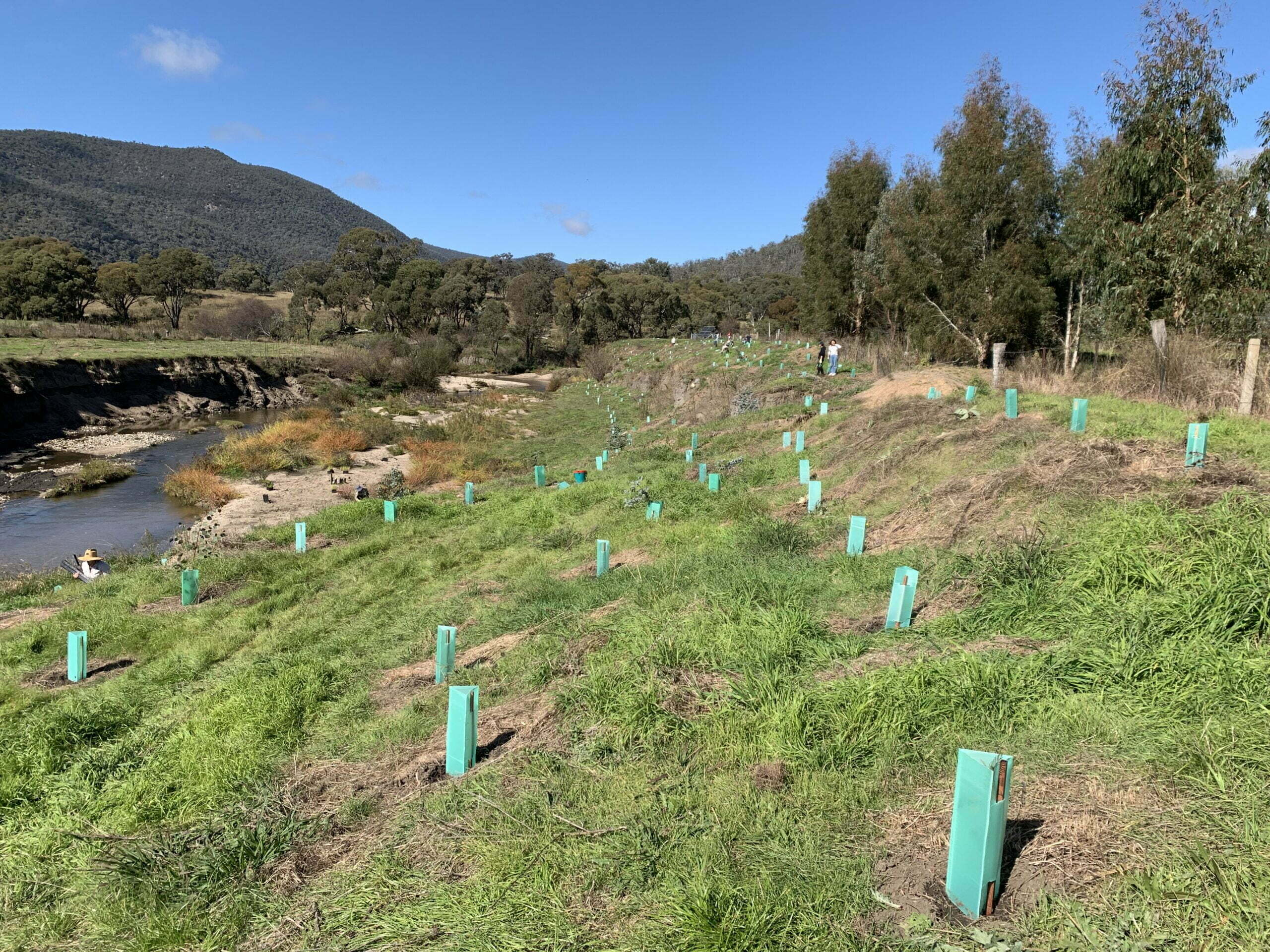
Every donation makes an impact.
100% of proceeds go directly towards our work restoring rivers.

Join us at an upcoming planting day or community event.
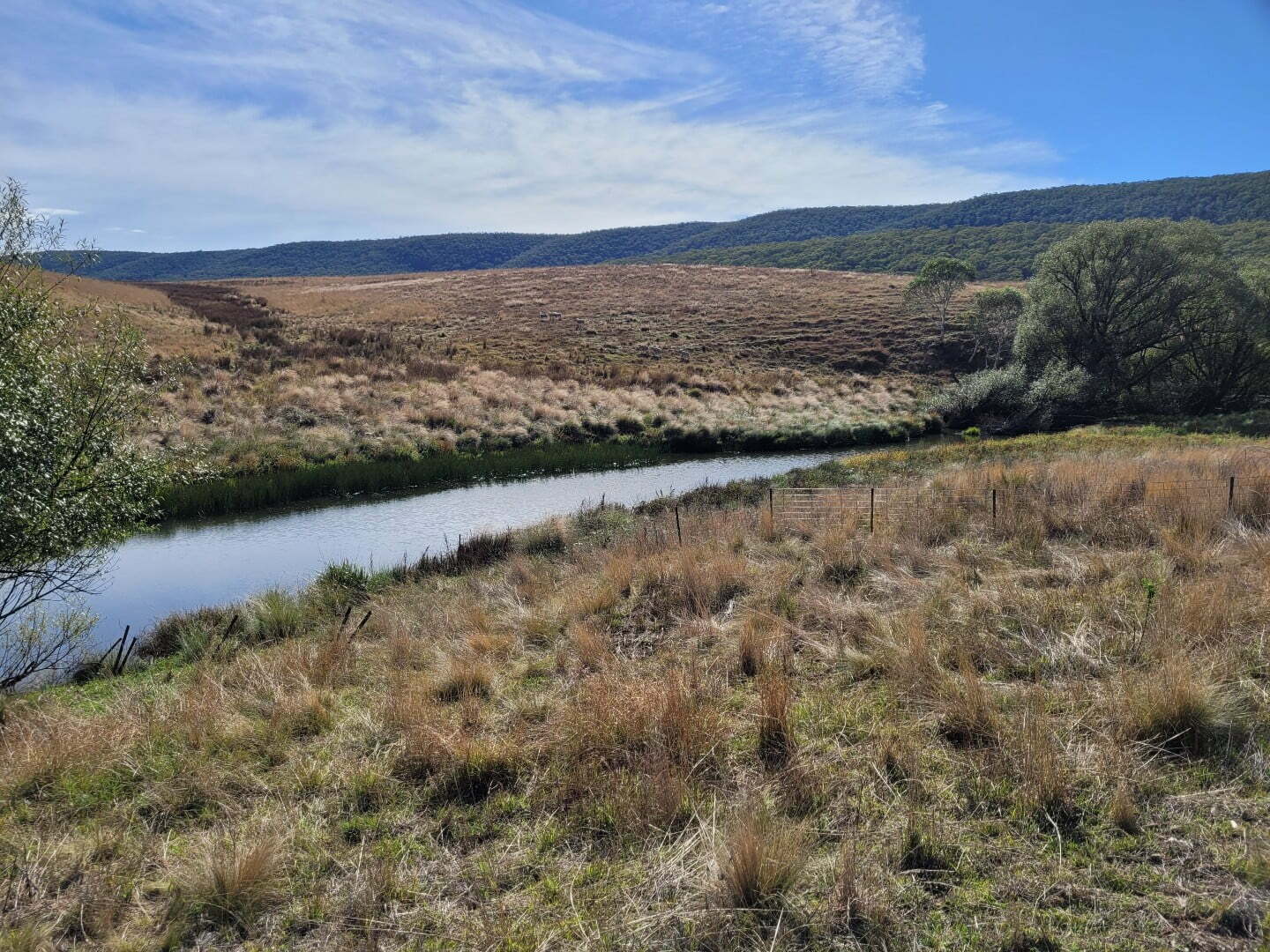
Collaborate with us on a range of projects, working to restore our rivers together.

Work with us to achieve sustainability goals and make a positive environmental impact.