Location: Coxs River Catchment, NSW
Overview
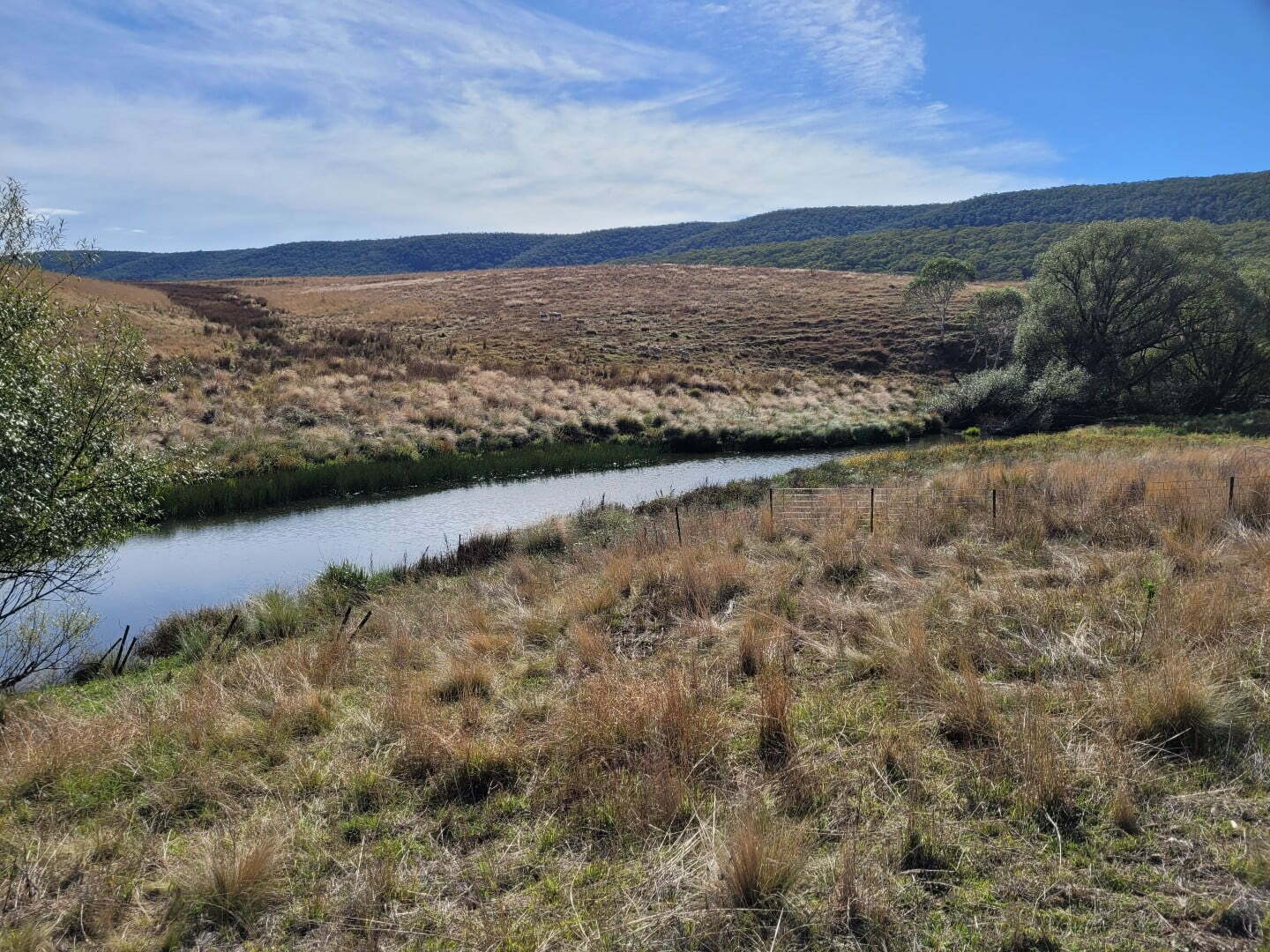
Funded by Amazon, this 10-year project aims to restore a degraded stretch of the Coxs River in Greater Western Sydney – a waterway that feeds the reservoirs supplying drinking water to millions of people.
ARRC will work with local landholders to deliver restoration works and catchment protection along 14.8 km of the upper Coxs River catchment, reducing pollutant loads, improving water quality, and restoring habitat for native plants, fish and wildlife. Once completed, the project is expected to improve water quality and availability by nearly 400 million litres of water per year for millions of people in Greater Sydney.
The project will address three interconnected challenges along the Coxs River.
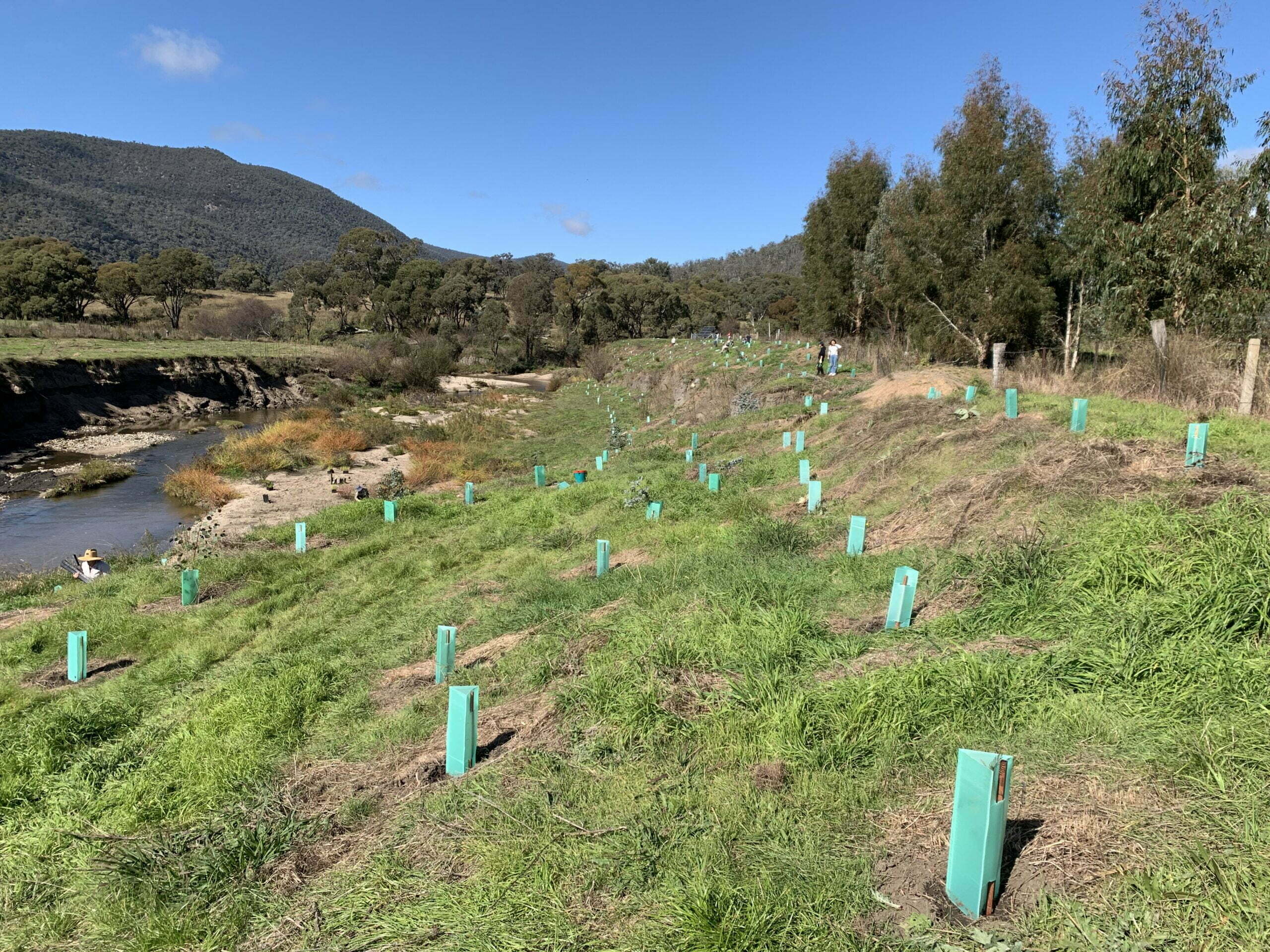
- Invasive willows: Dense willow growth has overrun creek channels, drawing large volumes of water from the system and suppressing the growth and recovery of native plants. The project will see the removal of willows and revegetation with native species, helping to restore these fragile ecosystems and freeing water to flow downstream.
- Erosion: Historic land clearing and grazing pressure have contributed to the start of active erosion in parts of the catchment, with sediment entering waterways that feed Warragamba Dam, reducing the dam's capacity to store water over time. Erosion has decreased water quality and degraded farmland and native vegetation. Erosion control programs will stabilise active erosion and increase water quality for the broader community’s benefit.
- Livestock pollution: Unrestricted livestock access has increased nutrients and pathogens into the waterways that feed Sydney's drinking water catchments. New livestock exclusion fencing, off-stream watering points and dedicated crossings will help keep livestock out of waterways, reducing contaminants entering waterways and allowing bankside vegetation to regenerate as a natural filter, improving overall water quality.
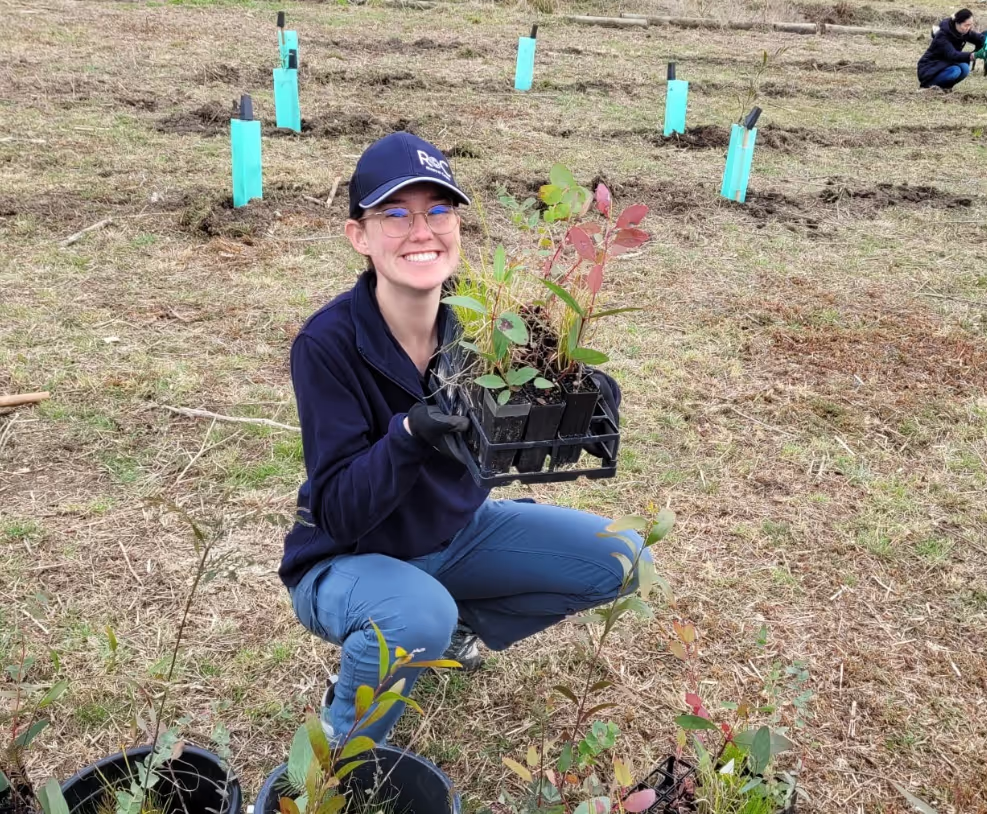
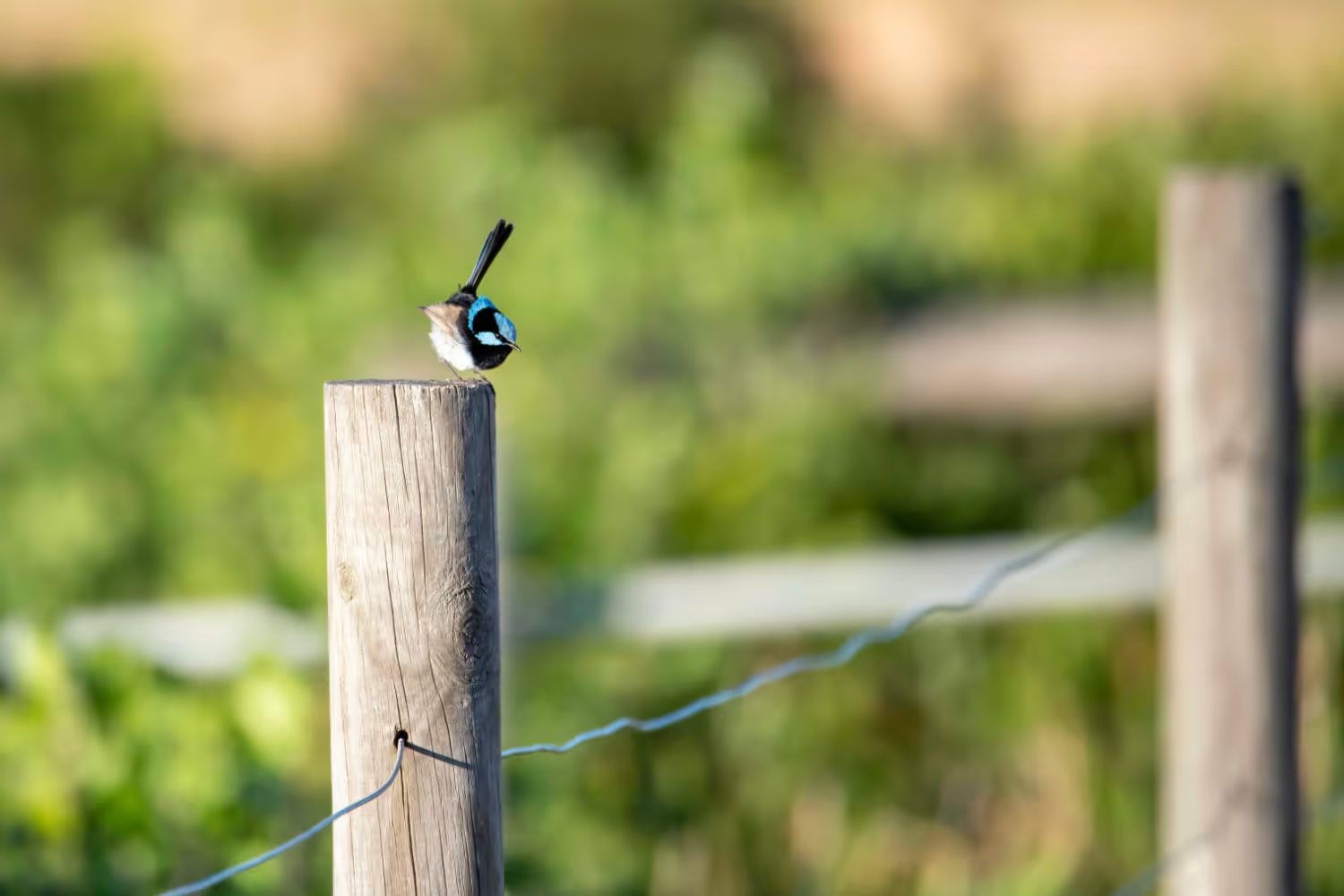
The project also aims to rebuild habitat for native species including platypus, freshwater crayfish and other aquatic wildlife. Revegetation along waterways and wetlands will provide shade, stabilise banks and support the return of native plants and animals.
Planned activities
- 14.8 km of livestock exclusion fencing along Ganbenang Creek, tributaries, and drainage lines
- Revegetation and assisted natural regeneration
- Engineered erosion control structures (e.g. rock ramps, headcut stabilisation, gully repair)
- Bank stabilisation and sinkhole remediation
- Remediation of failing dam outlets and associated erosion features
- 14 hectares of targeted removal of dense willow infestation in hydrologically connected swamp and riparian zones
- Off-stream watering systems (rainwater tanks and troughs)
- Stock crossing improvements
- Up to 10 years of long-term monitoring, maintenance, and weed control
- Establishing and maintaining fish passage
Timeline
The project commences in 2026 and will be implemented over two years, followed by ongoing monitoring and maintenance through 2036.
Photo Gallery
Click photos to enlarge and view captions.

Acknowledgements
This project is supported by Amazon Web Services.

Help the ARRC enable new river restoration projects
Through our flagship on-ground river restoration program – ‘Rivers of Carbon’ – we work directly with landholders to restore Australia’s wetlands and waterways.
Our methods are grounded in science, practical experience, and local expertise, achieving tangible benefits for both the environment and on-farm productivity.
The ARRC is currently seeking business partners to enable new river restoration projects across Australia.