.webp)
For decades, carp have been treated as one of those problems sitting just below the surface. We have known the damage they cause to our rivers, and significant research has been undertaken to better understand and control their impacts. Yet despite those efforts, we needed to be doing more, much sooner.
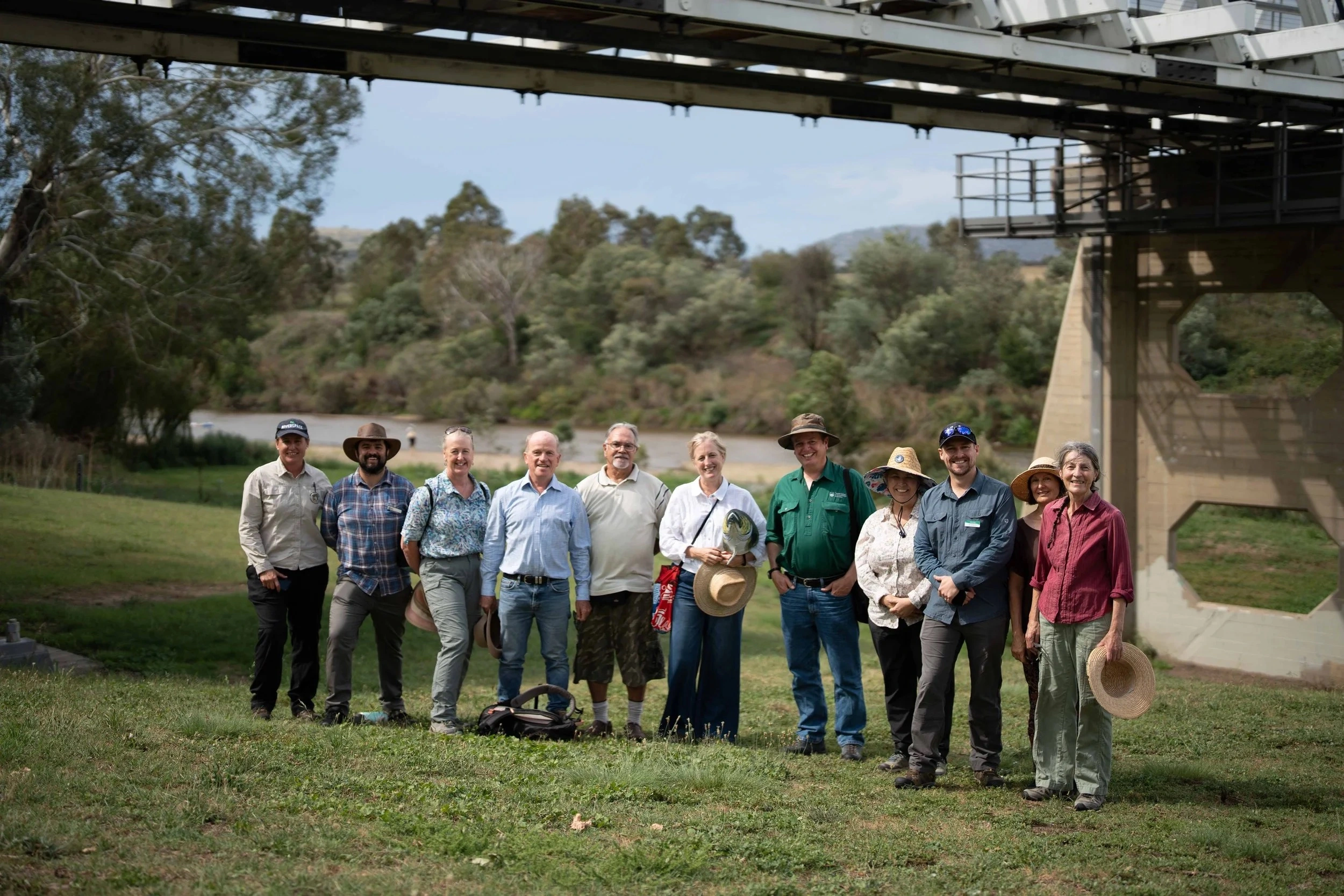
Too often, the response has been fragmented, progress has been slow, and a clear national pathway forward has been lacking. That's what the Murray-Darling Carp Action Summit set out to change. More than 80 people from over 40 organisations recently packed the Lake Nagambie discovery centre with one shared focus: acting on carp.
Hosted by the Victorian Fisheries Authority and the Australian River Restoration Centre, the summit wasn’t convened simply to talk about carp. It was convened to ask a harder question: what would it take to finally turn decades of concern into coordinated action?
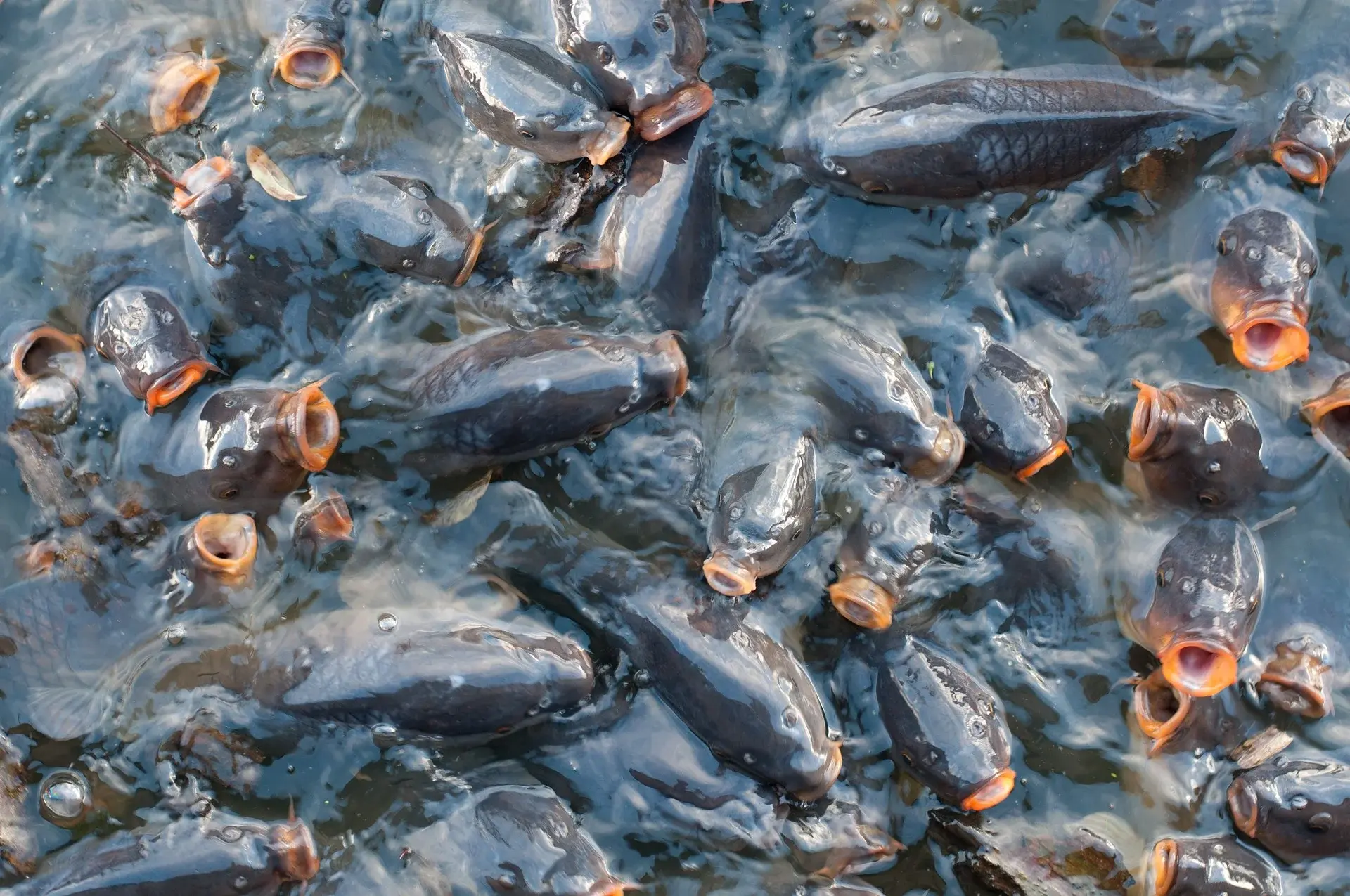
The problem is not new.
That's exactly the problem.
Since carp populations exploded across the Murray-Darling Basin in the early 1970s, Australia has invested nearly $13 million across coordinated national research programs, including the National Carp Control Plan led by the Fisheries Research and Development Corporation (FRDC), which brought together 11 research institutions to test large-scale control options. That work has significantly advanced understanding of carp biology and produced modelling showing potential population reductions of 40–60% through biological control approaches.
Yet despite this progress, translation into sustained action has lagged, with most successful control occurring through local programs. This includes large-scale harvesting of carp into fertiliser products, and wetland-scale removal projects like in Tar-Ru where targeted intervention reduced numbers and saw outstanding results for the ecosystem.
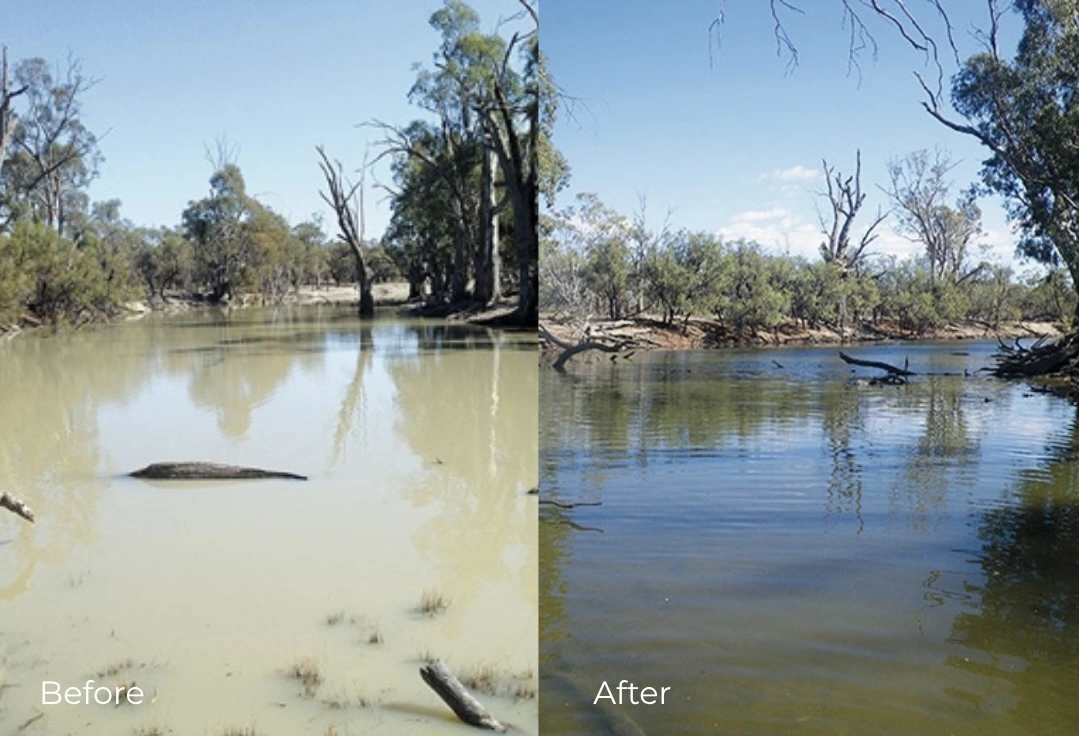
The science is there, the tools are proven, and the on-ground examples exist. What’s missing is the collective will and coordinated structure to bring it all together at the scale needed.
Dr Siwan Lovett, Founder and CEO of the Australian River Restoration Centre and co-organiser of the Summit, says carp have been a constant priority across three decades of working with communities to restore rivers and believes collaboration is imperative.
"If we are serious about reducing carp impacts, we need to align science, policy, community action and investment around shared objectives. A strategic approach will help us move from isolated successes to meaningful landscape-scale outcomes."
It’s such sentiment that brought people from across the country and every corner of the water industry together in Nagambie.
What the Room Heard
As the coffees and conversations began to flow Siwan welcomed the crowd and acknowledged the Taungurung People, the Traditional Custodians of the land on which they gathered, paying respects to their Elders and their cultures, who have nurtured these beloved waterways for many generations.
ACT Senator David Pocock opened with a video address that set the tone immediately. A strong voice in federal parliament publicly championing the cause, signalling to everyone: the issue has real support where it counts.
VFA CEO Travis Dowling followed, firing the room up on the need for action now. Not more process. Not more approvals. Action.
"Decades of research into a carp virus biocontrol has delayed large-scale operational action, and with more research planned there are no clear timelines for a decision on its release. By contrast, over this period, billions of dollars in government funding has gone to controlling a dozen other invasive species, but not carp."
NSW MP Helen Dalton continued the passion, bringing years of advocacy for inland waterways to the stage, memorably using Dr John Conallin's description of carp as:
"Teenagers who break into your house, trash the place and refuse to leave."
A line that drew knowing laughter and landed just right.

Freshwater fisheries biologist Dr. Ivor Stuart then laid out the staggering numbers: up to half a million tonnes of carp biomass choking the Murray-Darling Basin. Drawing on decades of research, he explained that while the right management strategy hinges entirely on the amount of carp present, there is a clear path forward.
"Science shows that once carp biomass is reduced below critical density thresholds, river and wetland systems can shift from chronic degradation toward recovery, including improvements in water quality, aquatic vegetation, native fish populations and broader biodiversity."
From there, attendees heard from all sectors of the community including but not limited to:
- Fishers who had seen native species disappear from rivers they grew up on.
- Traditional Owners whose enduring connection to these waterways enriches and informs everything we do.
- Local governments speaking to what it takes to mobilise coordinated action on the ground.
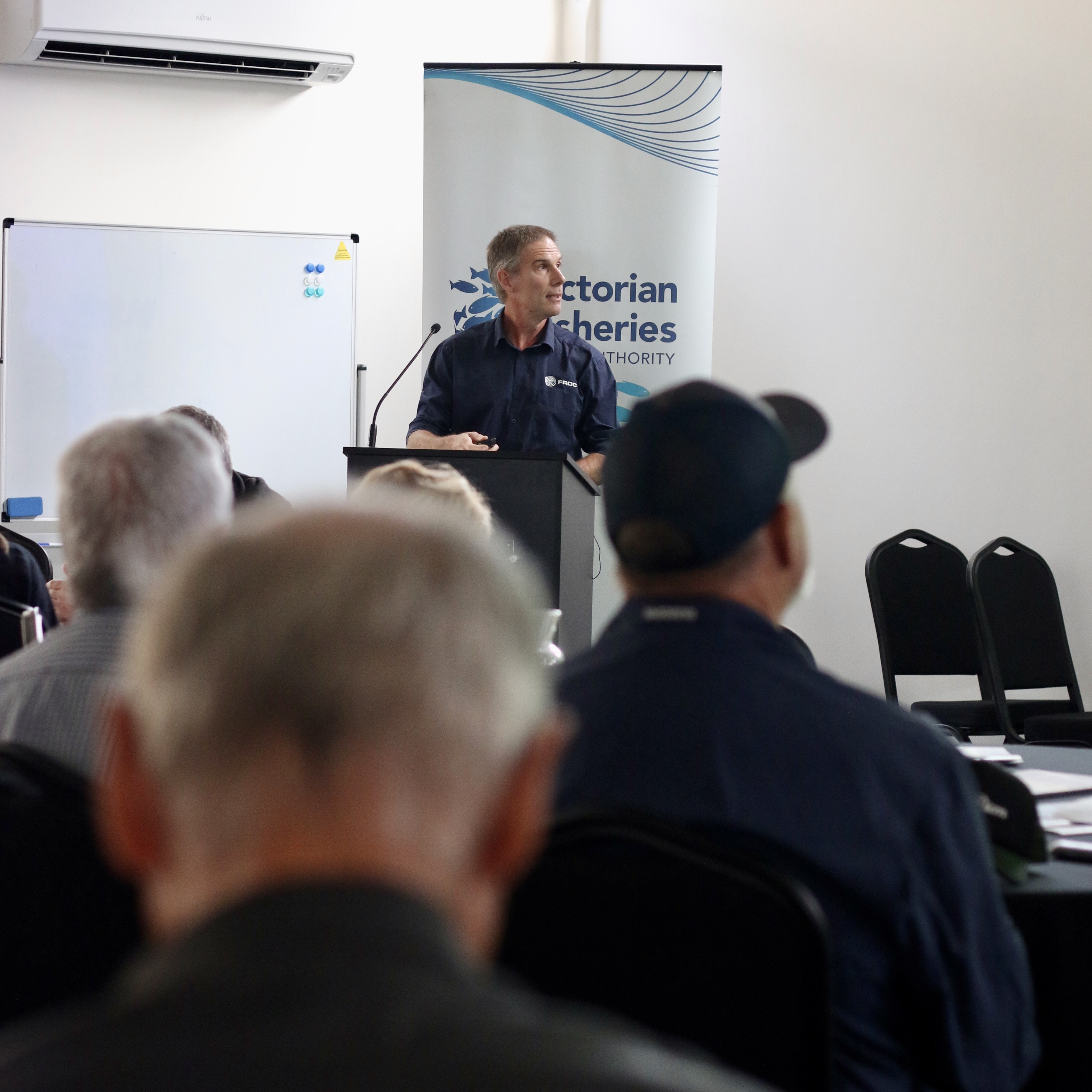
Credit: Alex Wood, VFA.
The room then turned to what needs to change: key findings from biocontrol research, examples of carp already being successfully managed, and VFA Senior Fisheries Manager Anthony Forster bringing it home on what success can look like through a coordinated alliance.
By the afternoon, the energy in the room stepped up as conversations flowed around the formation of an alliance and its priorities.
As Siwan reflected: "There was a genuine willingness to collaborate, share knowledge and look beyond organisational interests. The alliance is creating a platform for collective action, and that is something we have been missing."
The Approach Behind the Day
The ARRC has spent nearly two decades learning one thing above all else: inclusive spaces produce better outcomes. Facilitating an event like this is no small task. A stacked speaker lineup to keep on time, a room full of passionate people to keep engaged, and enough warmth to make sure every voice felt welcome.
That same philosophy carried through every conversation. Opinions on how to tackle carp differ, and that was never going to change in a single day. Instead, the focus was on what everyone had in common: a belief that our rivers deserve better, and that coordinated action is long overdue.
"Lasting change happens," Siwan said, "when people agree on a common direction and commit to working together over the long term.”
%20(1).webp)
We Have Done This Before
For those who follow our work, this approach will feel familiar.
In 2022, we launched The Forgotten River campaign to fight for the Upper Murrumbidgee: a river being starved of water under governance arrangements. Starting with a clearly defined problem, the campaign built a coalition across sectors, brought the issue into public view, and applied sustained, strategic pressure on decision-makers.
The result: $55.6 million in secured funding, a Drought Operating Framework, an independent government review.
“One of the biggest lessons from the Forgotten River campaign," Siwan said, "is that lasting change starts with building a shared understanding of the problem and a shared vision for the future. People are far more likely to support action when they can see how an issue affects their community and when they feel they have a role in the solution. That is exactly the approach we need for carp management."
Moving forward
Everyone agrees carp are destroying our rivers. Now it's time to act.
The Carp Action Alliance is taking shape, and the work to turn the momentum from Nagambie into structure, accountability and lasting action has begun. We would like to acknowledge the Victorian Fisheries Authority for their leadership in driving this summit and their unwavering commitment to tackling Australia's carp challenge. It is a privilege to partner with such a passionate and dedicated organisation in such an important cause.
For more on the Summit including presentation slides and the communique, visit the VFA Carp Summit webpage. HERE
375 million carp is not a small problem. A committed alliance that refuses to look away is how change starts.